
Piping Works
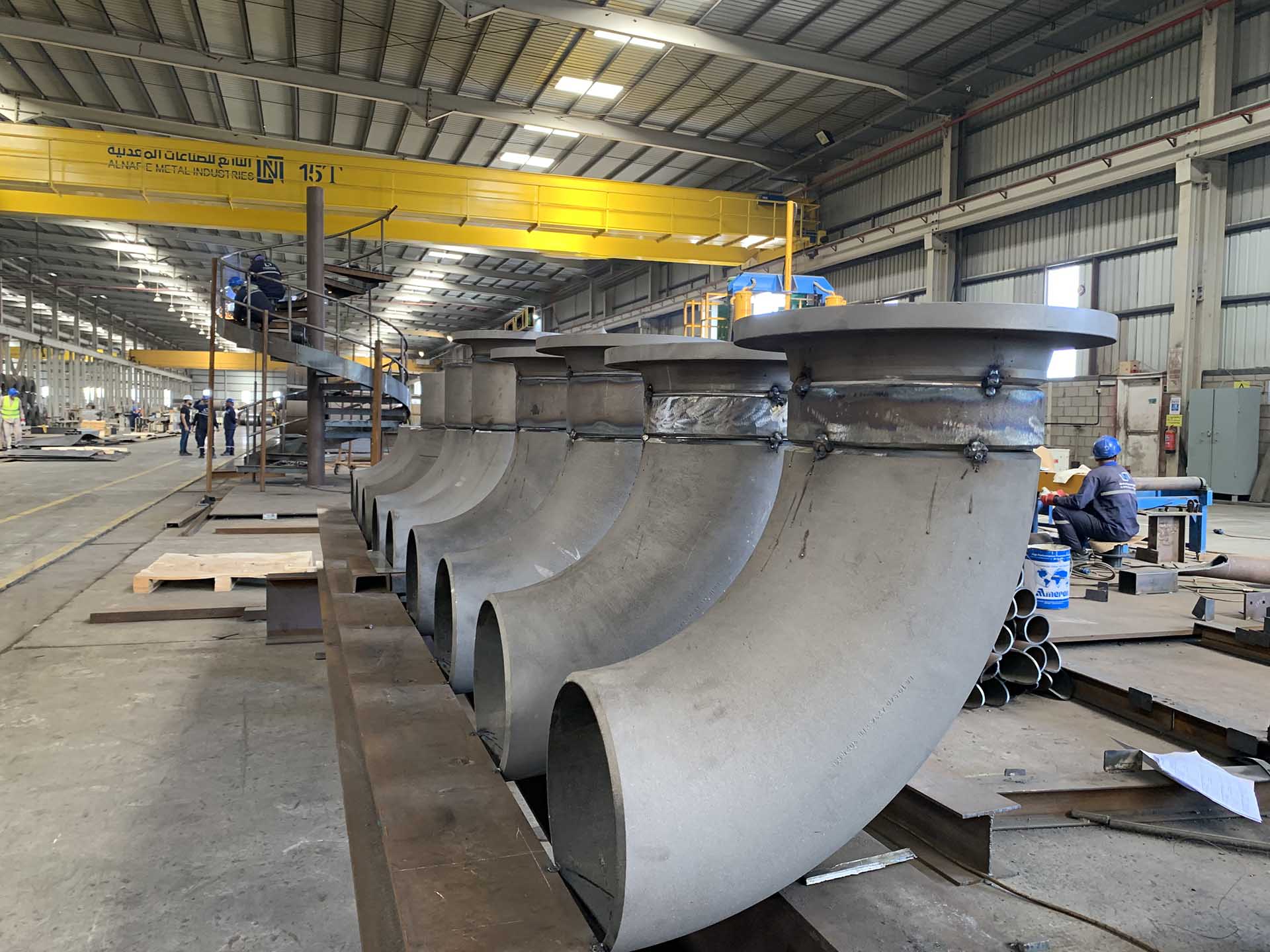
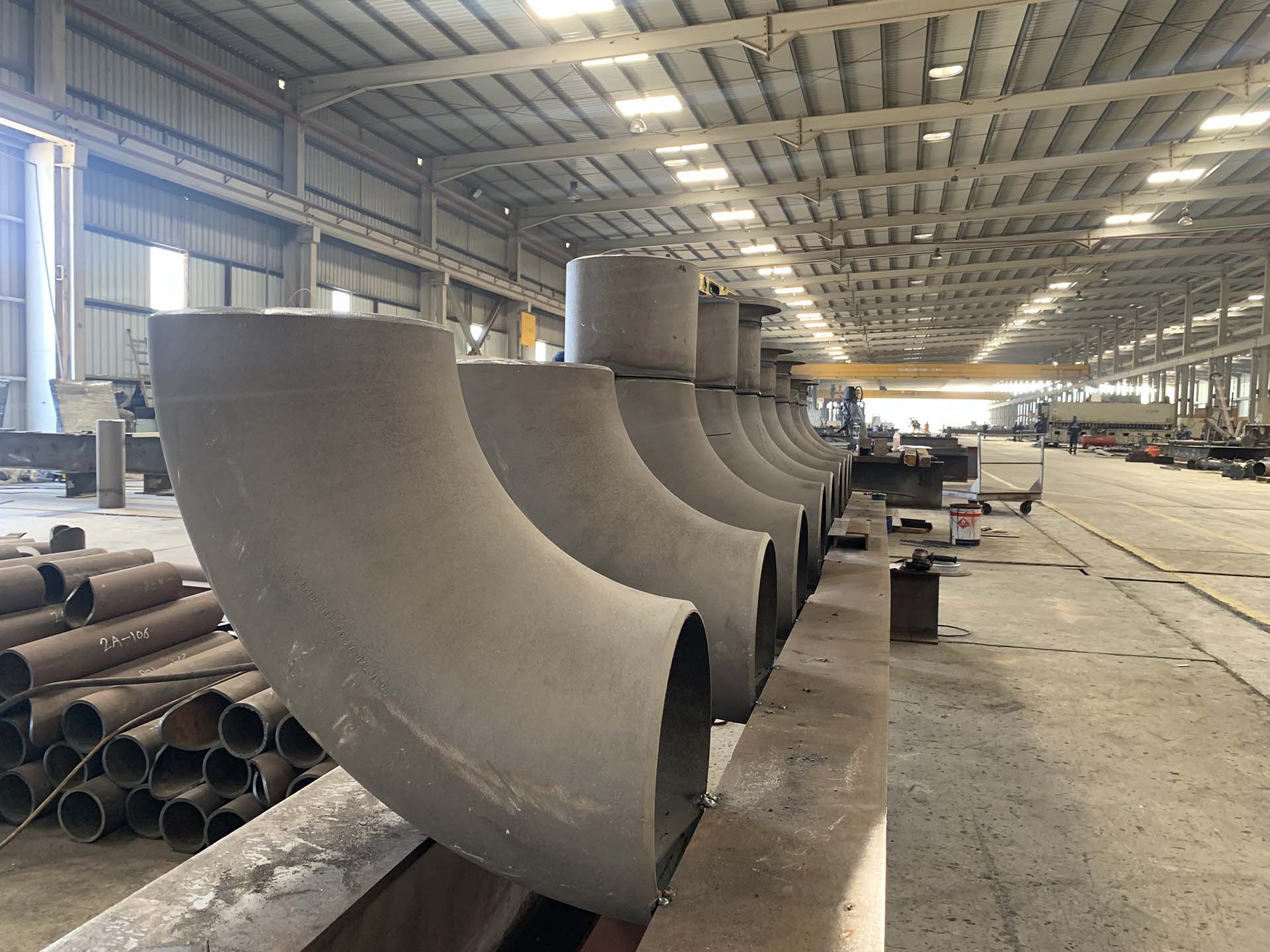
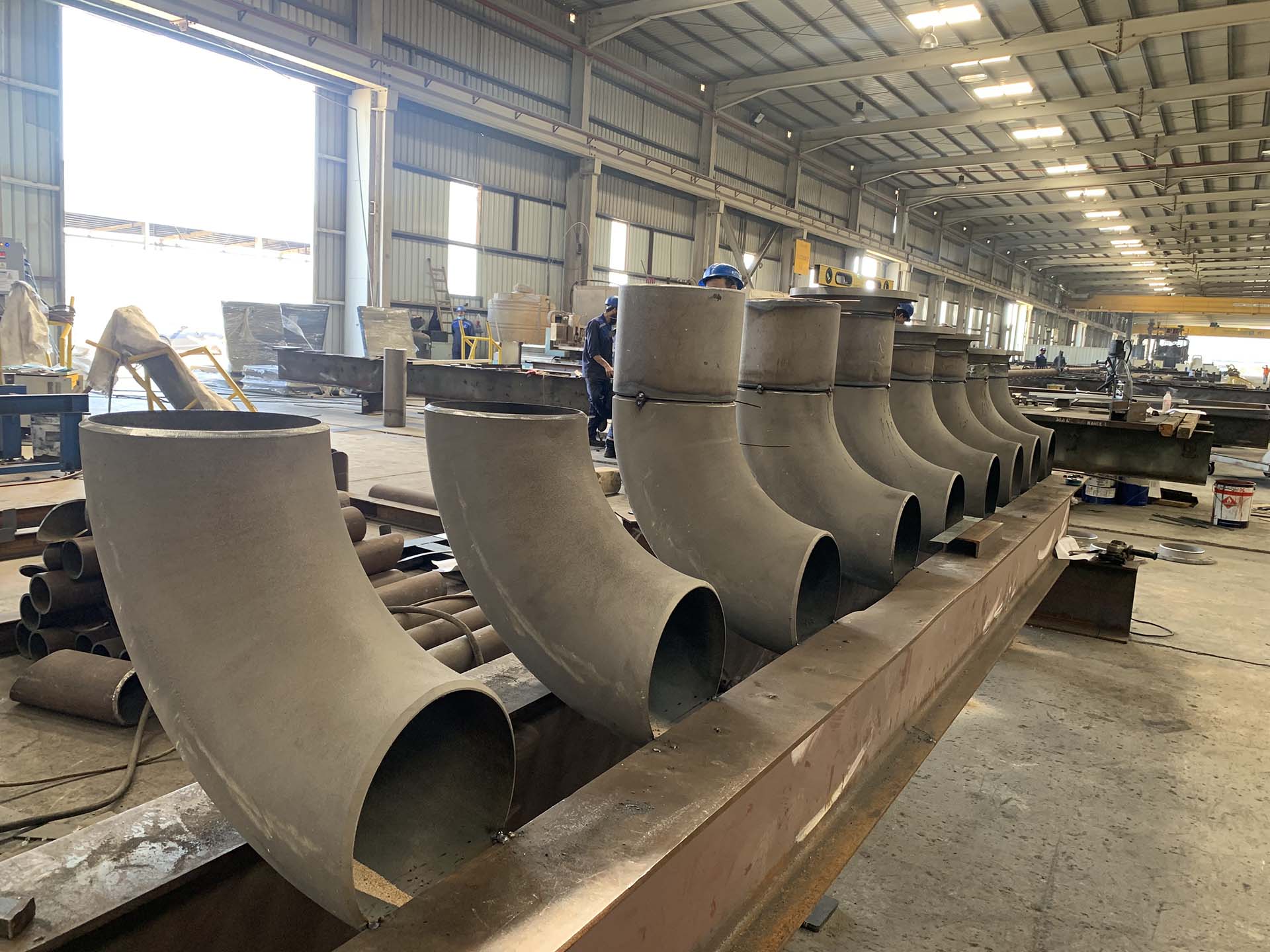
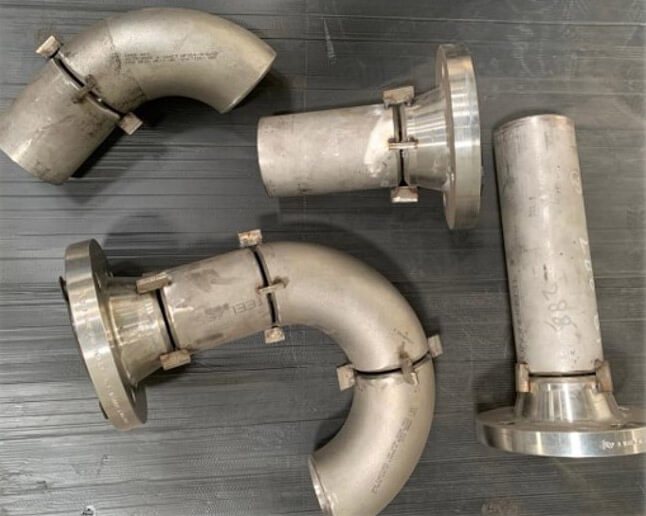
Metal pipes are one of the most important components in modern construction, engineering, and industrial sectors. As a core element in many Piping Works applications, they play a critical role in transporting liquids and gases, supporting ventilation systems, and serving as structural components in buildings and industrial facilities.
Today, metal pipes are widely used in water and sewage networks, HVAC systems, oil and gas pipelines, power plants, manufacturing facilities, and even architectural and industrial design projects. Their strength, reliability, and versatility make them an essential solution for both small-scale and large-scale infrastructure developments.
Manufactured from materials such as steel, stainless steel, copper, aluminum, and cast iron, metal pipes are selected according to the operational requirements of each project. They are available in different diameters, wall thicknesses, and shapes including round, square, and rectangular profiles to meet engineering and design specifications.
One of the key advantages of metal pipes in modern Piping Works is their ability to withstand high pressure, extreme temperatures, and harsh environmental conditions, ensuring long-term performance and operational safety.
Piping Works Specifications for Metal Pipes
Metal pipes used in professional Piping Works must comply with strict technical standards and engineering specifications to ensure quality, durability, and efficiency across different industrial applications.
Diameter and Wall Thickness in Piping Works
Pipe dimensions are carefully selected based on the system requirements. The outer diameter and wall thickness determine the pipe’s ability to withstand internal pressure, external loads, and environmental stress. These specifications directly impact durability, safety, and overall system performance.
Standard Lengths for Piping Works
Metal pipes are commonly manufactured in standard lengths, typically around 6 meters, while custom lengths can also be produced to suit project-specific Piping Works requirements. Pipes may also be cut, threaded, or welded during installation.
Material Selection for Piping Works
The type of metal used significantly affects pipe performance. Stainless steel pipes are ideal for corrosive or humid environments, while carbon steel and cast iron pipes are commonly used in water distribution, drainage, and industrial systems.
Surface Protection in Piping Works
To enhance durability and corrosion resistance, metal pipes undergo protective treatments such as galvanization, epoxy coating, and thermal coating. These treatments are especially important in outdoor and underground Piping Works applications.
Mechanical Strength and Performance
Metal pipes are tested according to international standards including ASTM, DIN, and ISO to ensure they can handle pressure, vibration, bending, and impact under demanding operating conditions.
Heat and Corrosion Resistance in Piping Works
Certain types of metal pipes are engineered to resist high temperatures and aggressive chemical exposure, making them suitable for refineries, chemical plants, and heavy industrial Piping Works projects.
Advantages of Metal Pipes in Piping Works
Metal pipes offer exceptional performance advantages that make them the preferred choice across multiple industries and infrastructure systems.
Durability and Strength for Piping Works
Metal pipes are designed to withstand high internal pressure, heavy loads, and harsh environmental conditions. Their superior strength makes them ideal for underground systems, industrial facilities, and high-pressure fluid transportation.
Long Service Life
One of the biggest advantages of metal pipes in Piping Works is their long operational lifespan. Properly treated and maintained pipes can operate efficiently for many years with minimal risk of corrosion or structural damage.
Thermal Stability in Industrial Piping Works
Metal pipes maintain their structural integrity under extreme temperatures, making them highly suitable for heating systems, factories, power plants, and other high-temperature applications.
Flexibility in Fabrication and Installation
Metal pipes can be cut, bent, welded, and fabricated with ease, allowing engineers and contractors to customize systems according to project requirements and complex layouts.
Leak Prevention and Safety
When installed correctly, metal pipes provide excellent sealing performance that minimizes leakage risks and ensures safe transportation of liquids and gases.
Sustainable and Recyclable Materials
Metal pipes are environmentally friendly because they can be fully recycled and reused without losing their essential properties. This supports sustainable construction practices and reduces industrial waste.
Wide Range of Piping Works Applications
Metal pipes are used across numerous industries including construction, oil and gas, water treatment, HVAC systems, manufacturing, automotive, and aerospace sectors, proving their unmatched versatility and reliability.
Why Metal Pipes Are Essential in Modern Piping Works
Metal pipes remain a fundamental part of modern infrastructure and industrial systems. Their durability, efficiency, corrosion resistance, and engineering flexibility make them an ideal solution for safe and reliable fluid transportation.
Whether used in industrial facilities, commercial buildings, or infrastructure projects, high-quality metal pipes continue to play a major role in delivering efficient and long-lasting Piping Works solutions.
