
Piping Works
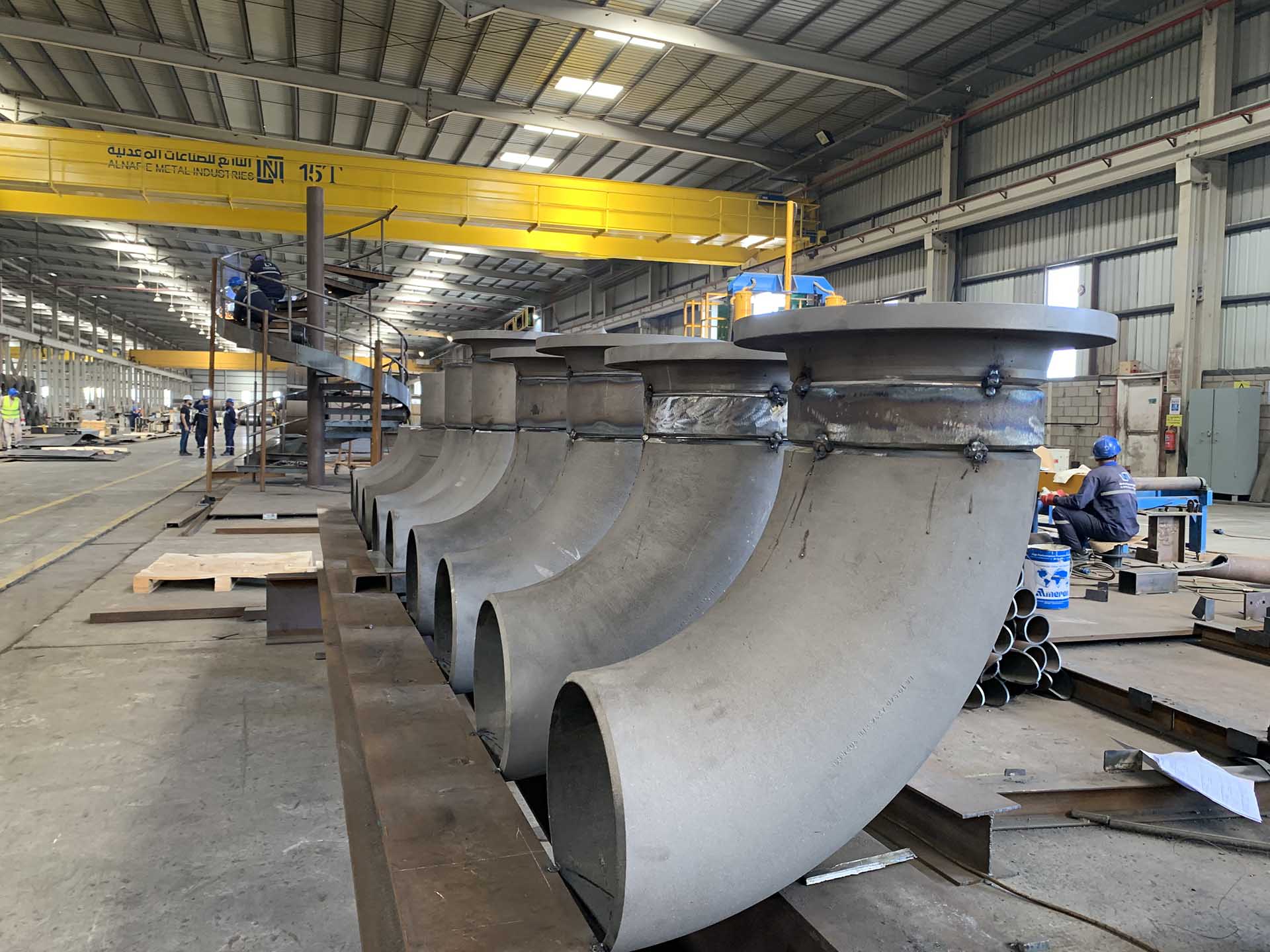
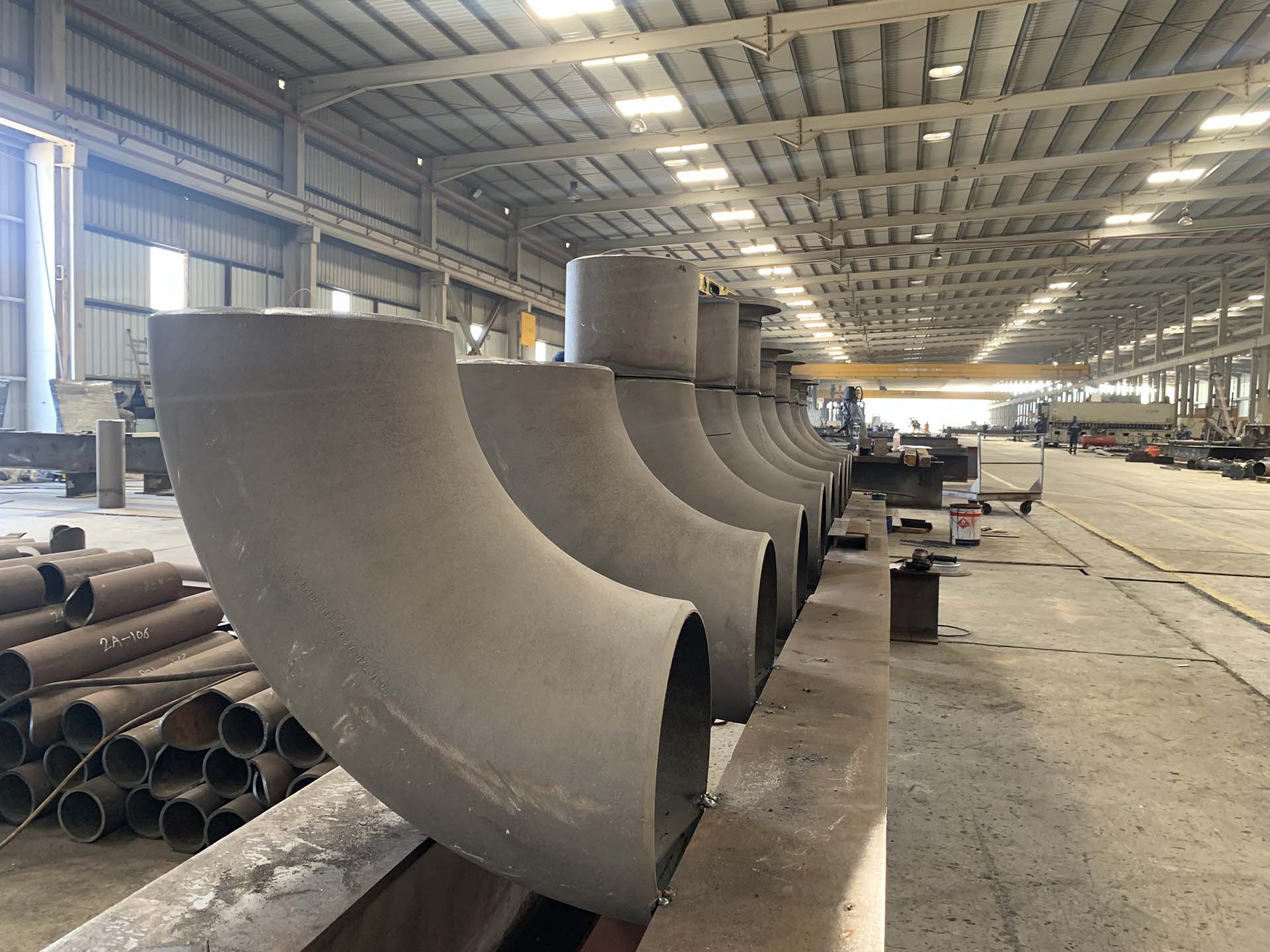
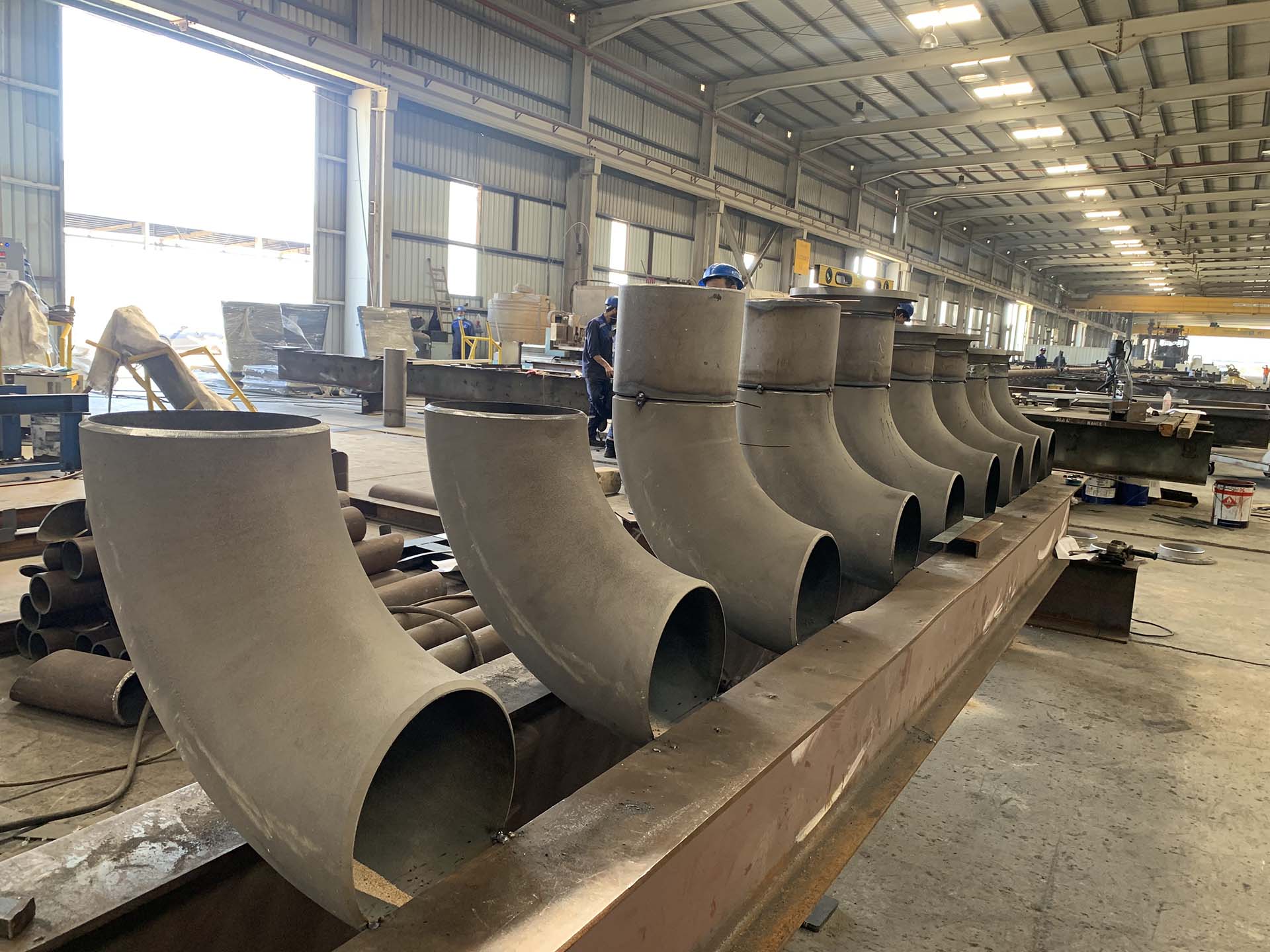
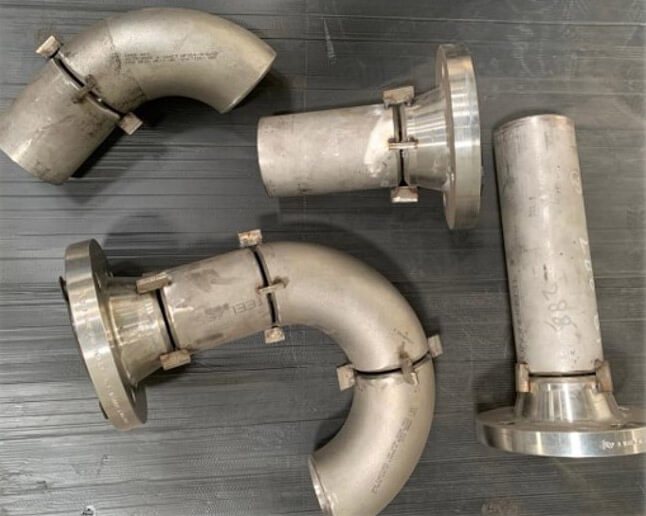
Metal pipes are a fundamental component in the world of construction, engineering, and industry. They are considered essential materials across numerous sectors due to their vital roles. These pipes are used for transporting liquids and gases, for ventilation systems, and sometimes as structural support elements in buildings and facilities. Their applications span across water and sewage networks, HVAC systems, oil and gas pipelines, power plants, factories, and even industrial furniture and design.
Manufactured from a variety of metals such as steel, copper, aluminum, and cast iron, each type of metal pipe is selected based on its specific properties and intended use. These pipes are available in various sizes, lengths, and thicknesses to suit different applications. They can also be shaped in multiple forms round, square, or rectangular, depending on design or engineering requirements.
One of the key characteristics of metal pipes is their ability to withstand high pressure and harsh environmental conditions, making them an ideal choice for both large-scale and high-precision projects.
Specifications of Metal Pipes:
Metal pipes are subject to a range of technical specifications and standards that ensure their quality and efficiency. These specifications vary depending on the metal type and theintended application. Key specifications include:
- Diameter and Wall Thickness
The dimensions of the pipes are precisely defined. The outer diameter and wall thickness determine the pipe’s ability to handle internal and external pressure. Pipes are typically classified by their nominal diameter and wall thickness, which directly affect their strength and durability.
- Length
Metal pipes are usually manufactured in standard lengths—most commonly 6 meters—but can be cut or joined to meet specific requirements. In some industries, custom lengths are produced upon request.
- Material Composition
The type of metal used defines the pipe’s characteristics. For instance, stainless steel is ideal for humid or chemically exposed environments, while cast iron is commonly used in water and sewage systems.
- Surface Treatment
Pipes undergo various treatments such as galvanization (zinc coating), epoxy coating, or thermal coating to protect them from rust and corrosion, especially when used in outdoor or moist environments.
- Mechanical Strength
Pipes are tested to ensure they can withstand pressure, bending, and impact, in compliance with international standards such as ASTM, DIN, and ISO.
- Resistance to Corrosion and Heat
Some metal pipes are specifically engineered to endure high temperatures or aggressive chemical conditions, making them suitable for oil refineries and chemical plants.
Advantages of Metal Pipes:
Metal pipes are often preferred over other materials due to their exceptional properties and advantages, which meet the needs of a wide range of industries. The most notable benefits include:
- Durability and Strength
Metal pipes can endure high internal and external pressure, making them ideal for transporting fluids or gases under pressure or underground. They also offer excellent resistance to impact and vibration compared to other materials.
- Long Lifespan
Thanks to their toughness and environmental resistance, metal pipes last for extended periods without damage or corrosion—especially when treated properly and made from rust-resistant materials.
- Thermal Stability
Metal pipes perform exceptionally well under high temperatures without deforming or degrading, making them suitable for use in factories, heating systems, and other high-heat environments.
- Ease of Fabrication and Welding
Metal pipes can be cut, shaped, bent, or welded with relative ease, giving engineers and technicians great flexibility in installation and design.
- Leak Resistance
When properly installed, metal pipes provide a high level of sealing, significantly reducing the risk of leaks or loss of fluid or gas.
- Recyclability
Environmentally friendly by nature, metal pipes can be fully recycled and reused in other industries without losing their core properties, helping reduce industrial waste and preserve resources.
- Versatility in Applications
Their wide range of uses includes construction, water systems, oil and gas sectors, manufacturing, and even automotive and aerospace industries, making them one of the most versatile materials available.
Metal pipes are a cornerstone of modern infrastructure and industrial systems we rely on daily. Thanks to their precise specifications and multiple advantages, these pipes have proven to be highly efficient, durable, and reliable solutions for transporting materials and fluids safely and effectively.
