
Sheet Metal: A Foundation of Modern Industrial Development
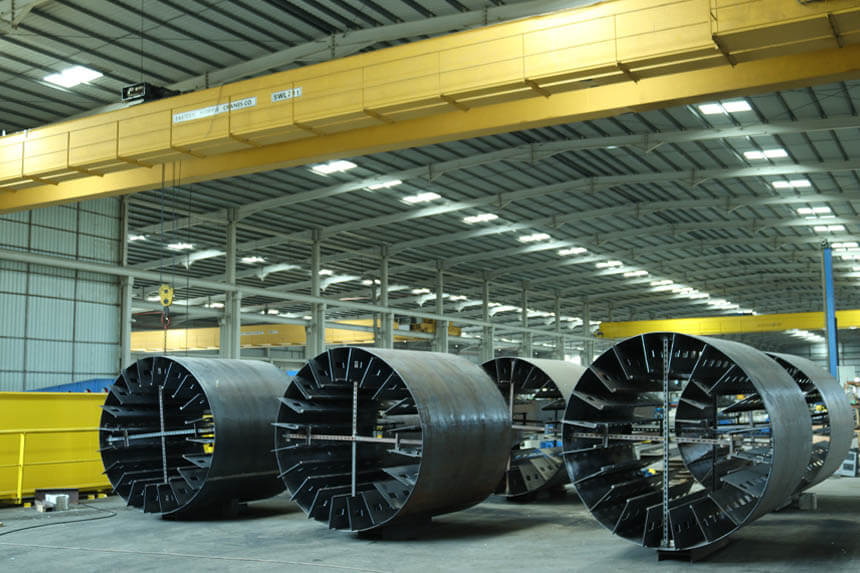
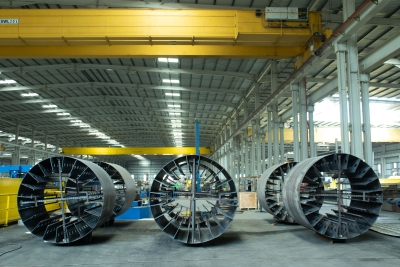
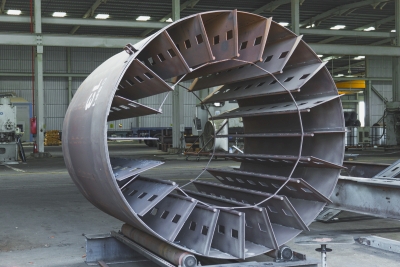
Sheet metal works are a core element of modern industrial development, encompassing the fabrication, forming, and assembly of metal sheets made from steel, aluminum, copper, and iron. These processes are essential across construction, HVAC ducting, heavy industries, and automotive manufacturing, thanks to sheet metal’s strength, durability, and flexibility.
What Is Sheet Metal?
Sheet metal refers to metal that has been processed into flat metal sheets of varying thicknesses, suitable for cutting, bending, and welding. Depending on material type, thickness, and production method (hot-rolled or cold-rolled), sheet metal supports a wide range of industrial and architectural applications.
Types of Sheet Metal
Black Sheet (Mild Steel Sheet)
An uncoated steel sheet characterized by high ductility and ease of welding, typically produced through hot rolling, making it ideal for structural applications.
Common Applications:
-
Structural steel components
-
Water and fuel tanks
-
Steel beams and load-bearing bases
-
HVAC air ducts
Galvanized Steel Sheet
Zinc-coated steel sheet offering enhanced corrosion resistance, suitable for outdoor and industrial environments.
Types:
-
Hot-dip galvanized
-
Electro-galvanized
Common Applications:
-
HVAC ducting and air ducts
-
Metal roofing and metal cladding
-
Metal doors and electrical cabinets
-
Exterior construction elements
Stainless Steel Sheet
Manufactured from chromium-based alloys, stainless steel sheet offers exceptional resistance to corrosion and chemicals.
Grades:
-
304 – general applications
-
316 – harsh and chemical environments
Common Applications:
-
Industrial kitchen equipment
-
Food processing and pharmaceutical equipment
-
Laboratory equipment
-
Elevators, staircases, and handrails
Industrial & Construction Applications
Sheet metal is widely used in:
-
Metal buildings and steel structures
-
Automotive sheet metal components
-
Shipbuilding and shipping containers
-
Manhole covers
-
Road safety barriers
-
Industrial staircases and walkways
-
Solar panel structures
Sheet Metal Forming Technologies
Modern sheet metal forming relies on:
-
CNC laser cutting
-
CNC plasma cutting
-
Gas cutting for thick sheets
-
Sheet metal bending and welding
These technologies enable high-precision manufacturing of steel structures, tanks, and piping systems.
