
Electrical Panels
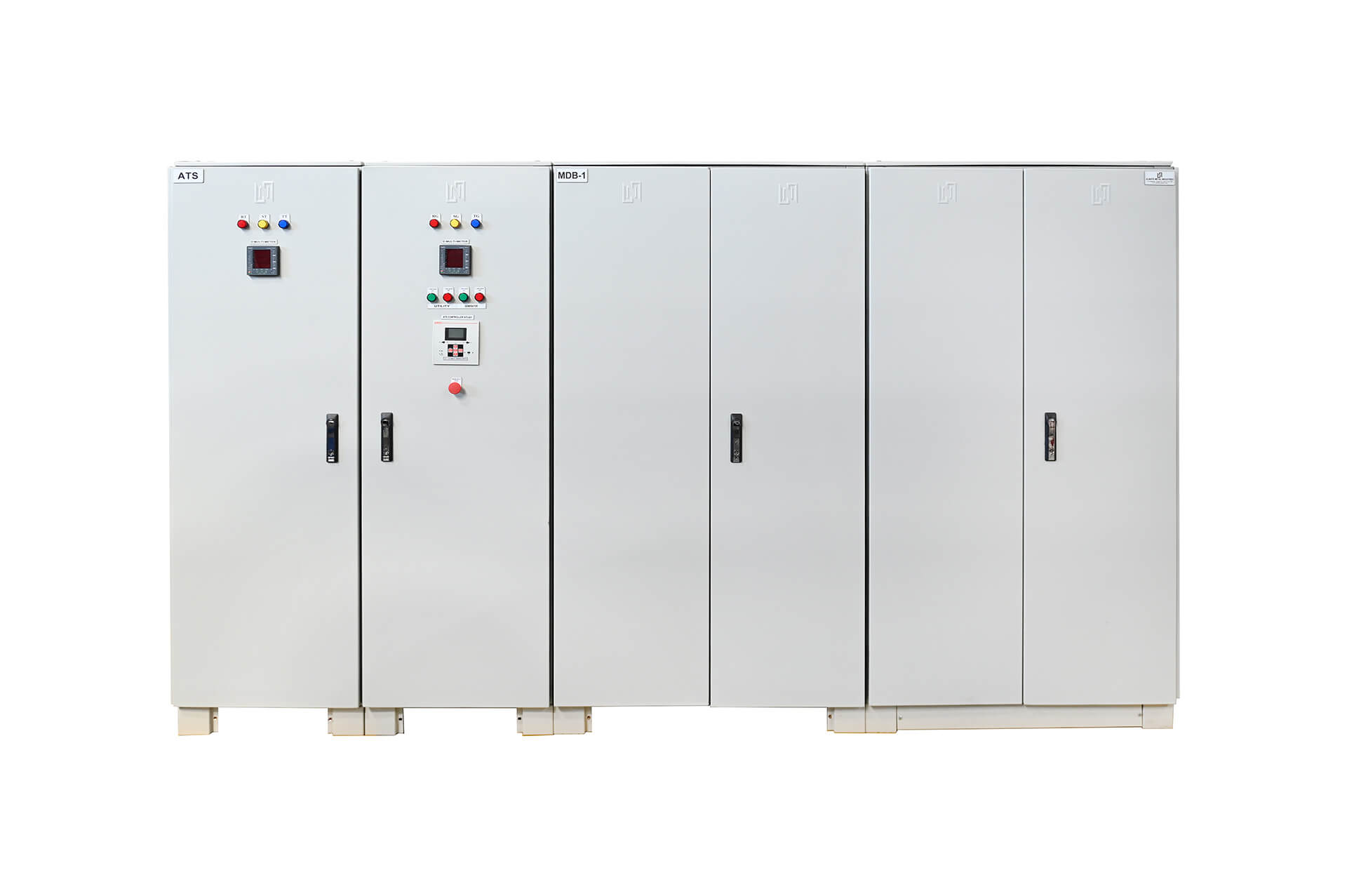
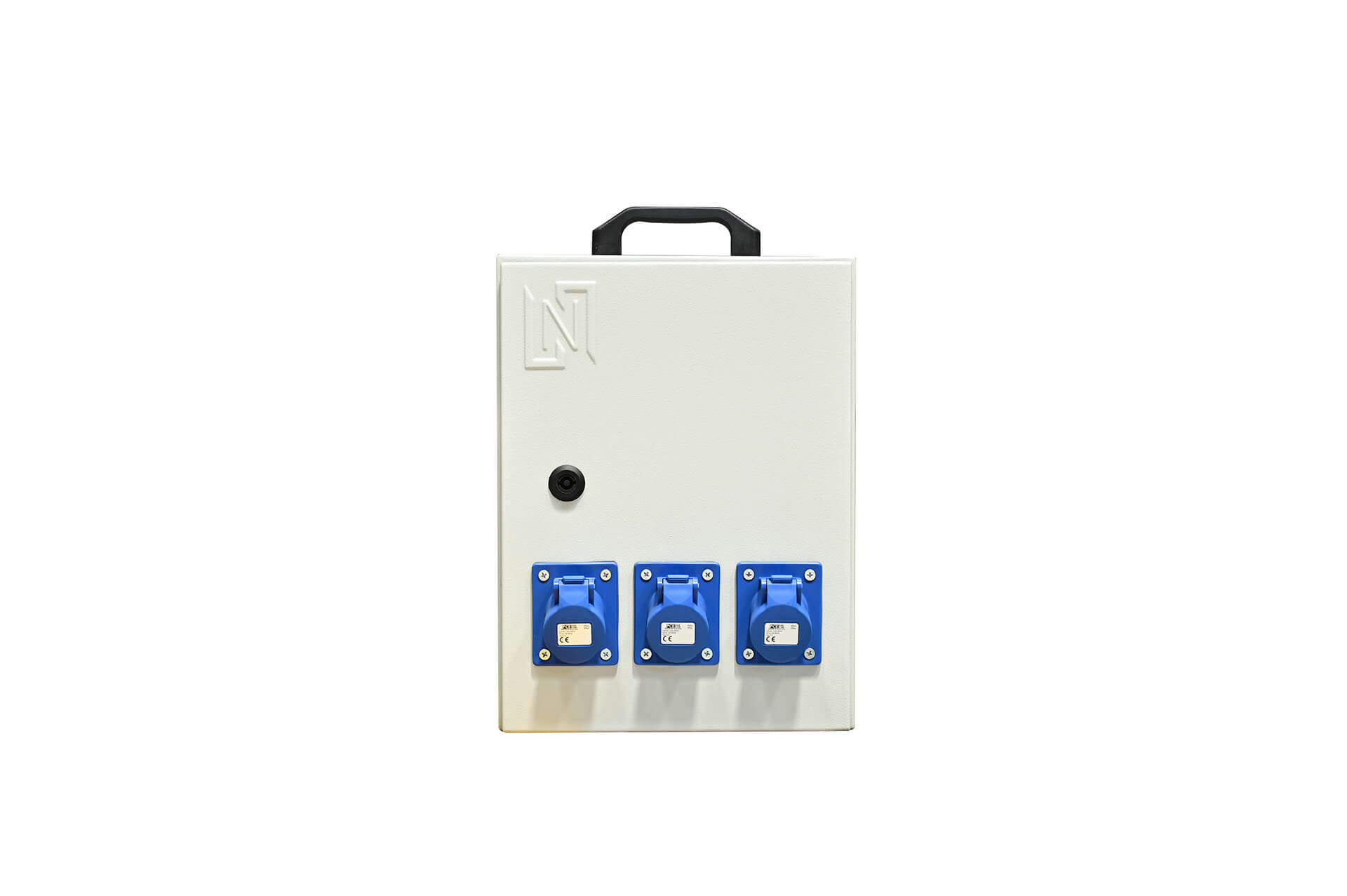
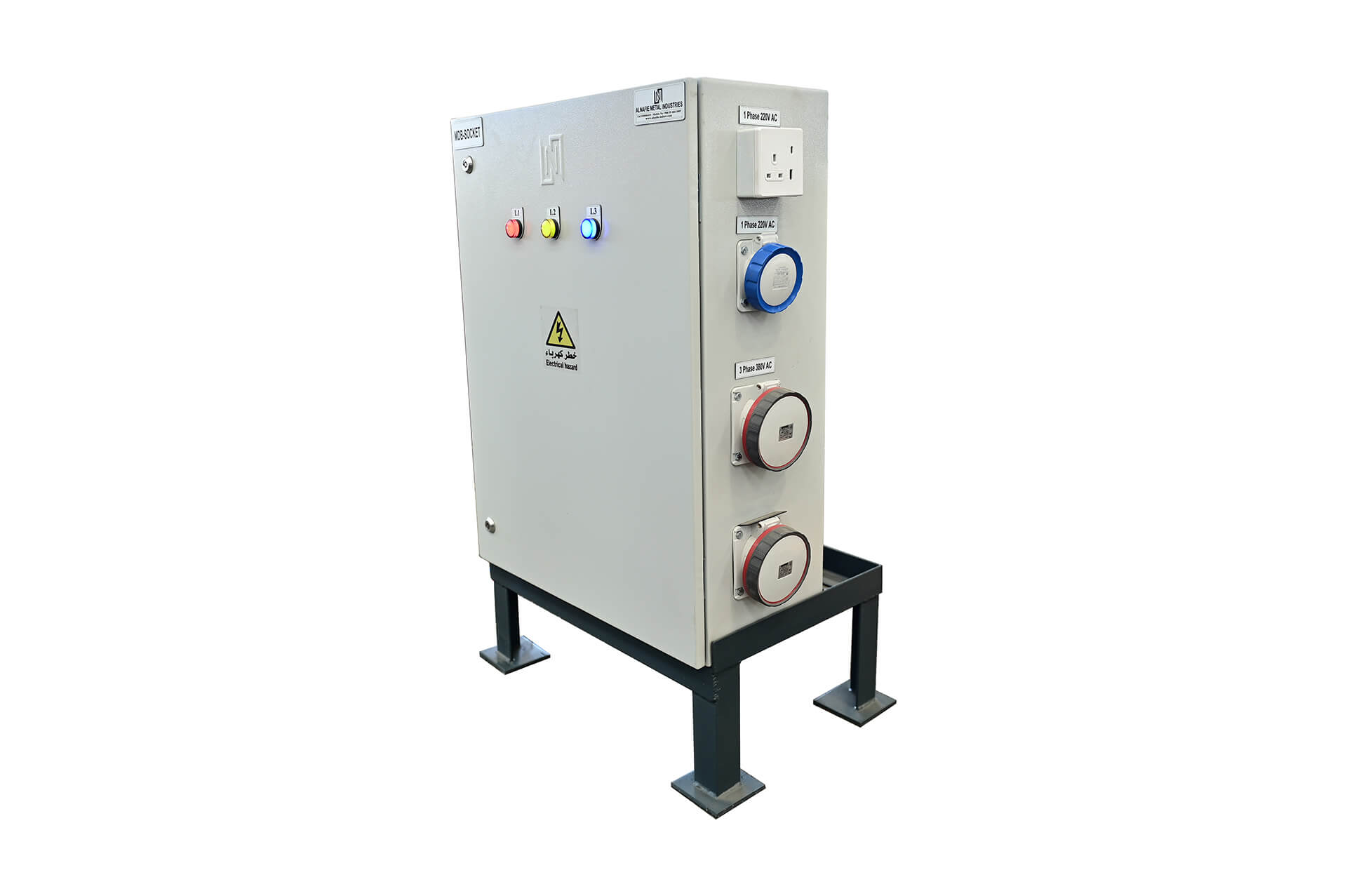
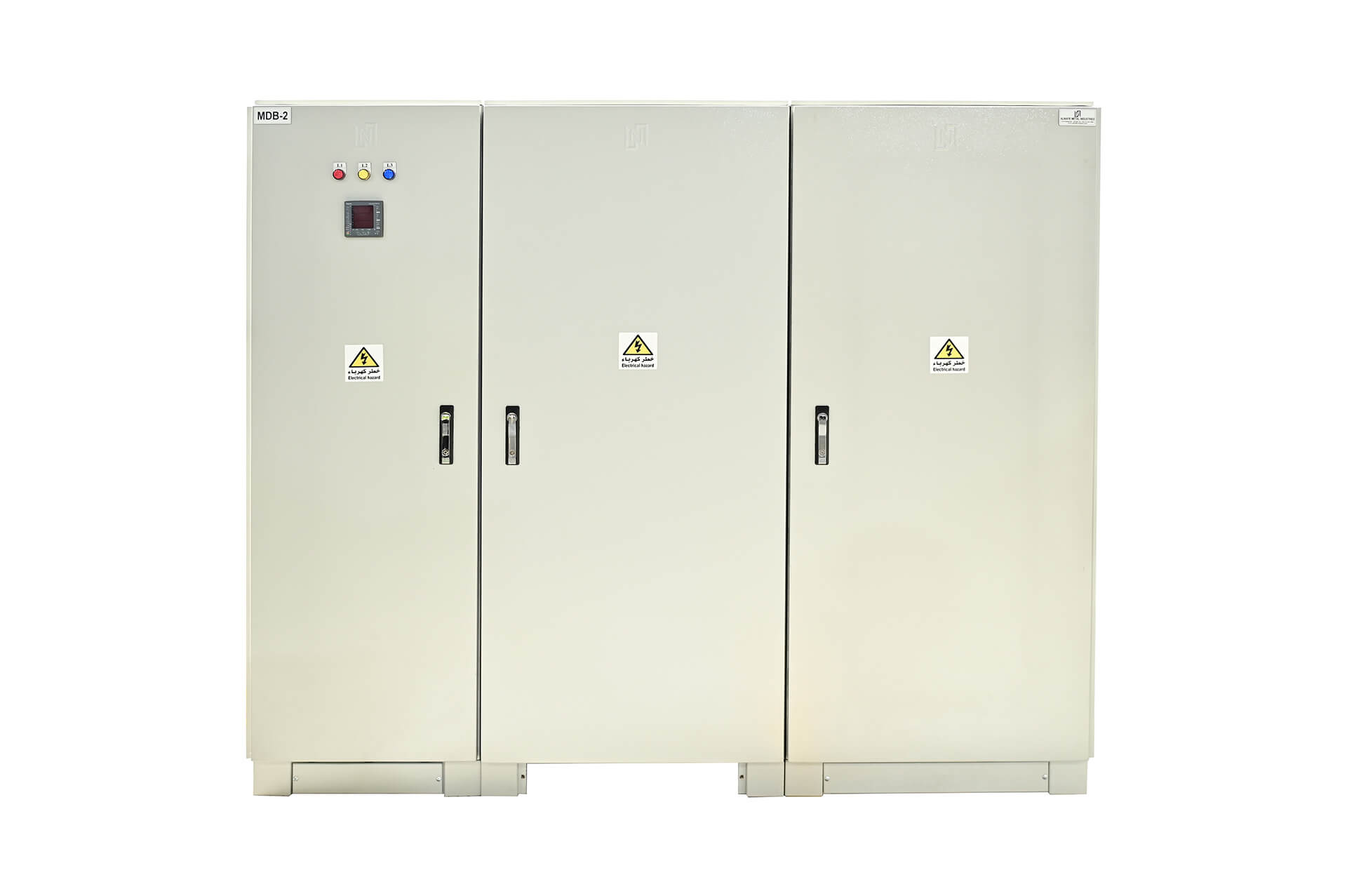
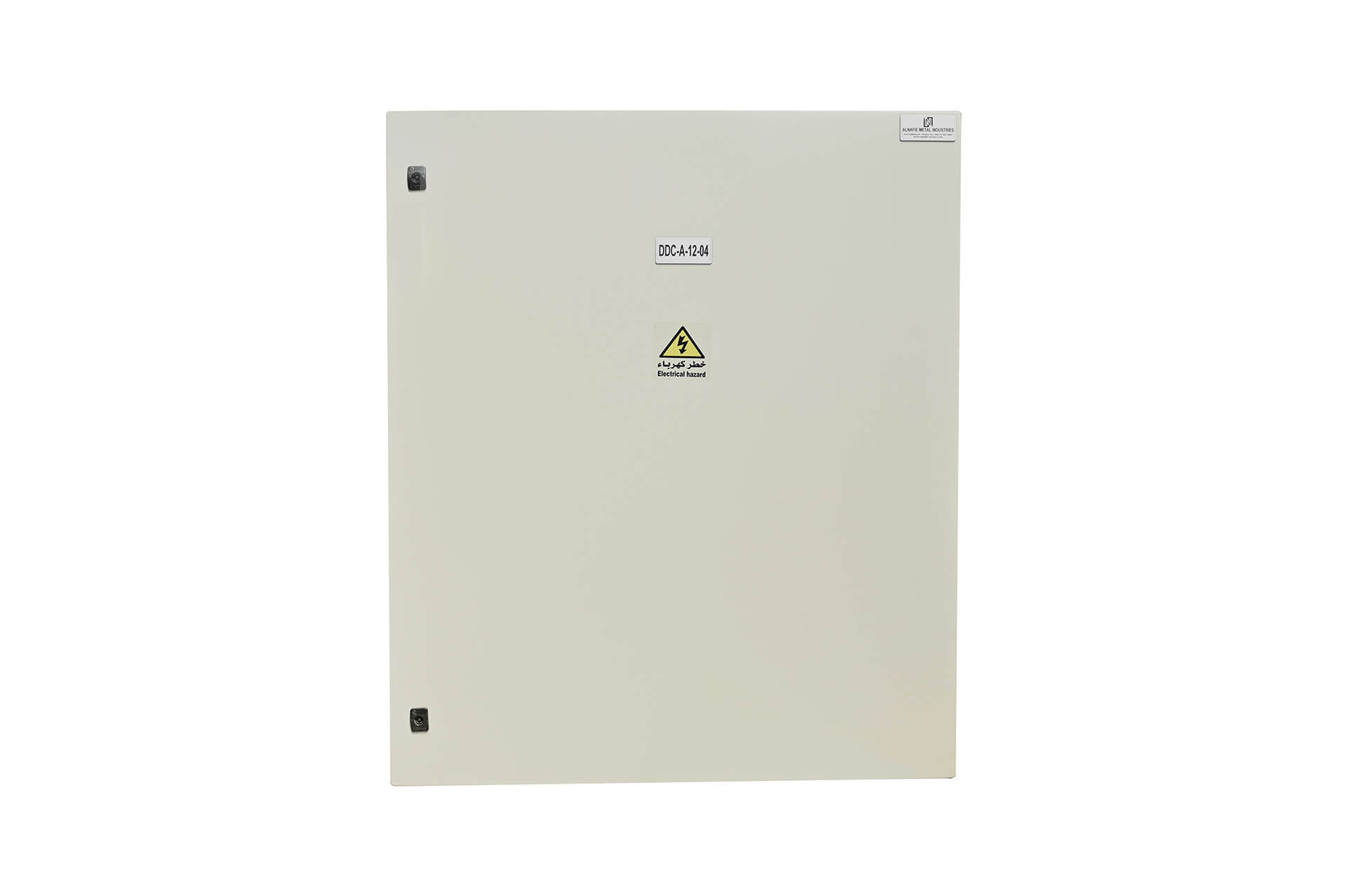
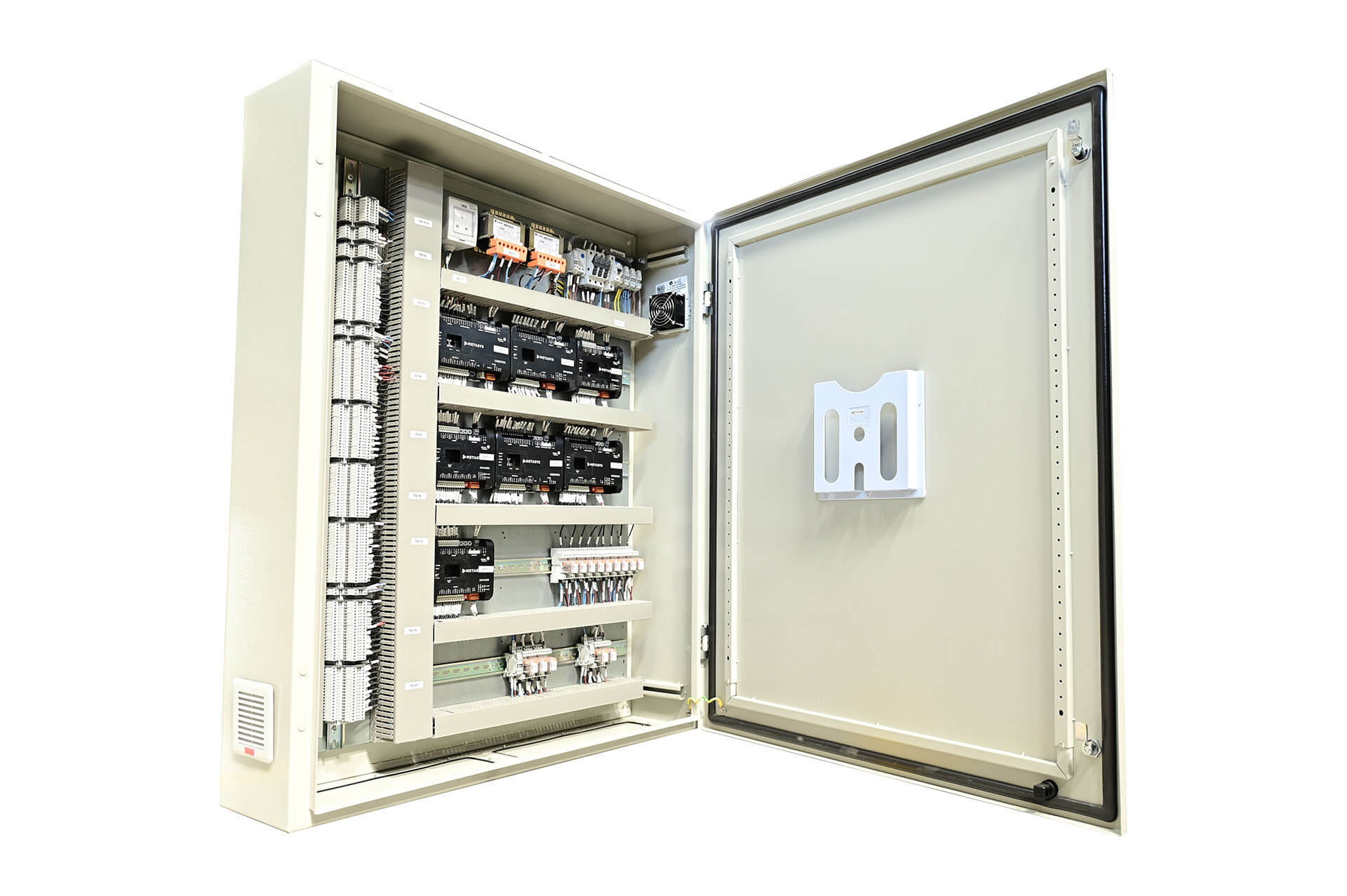
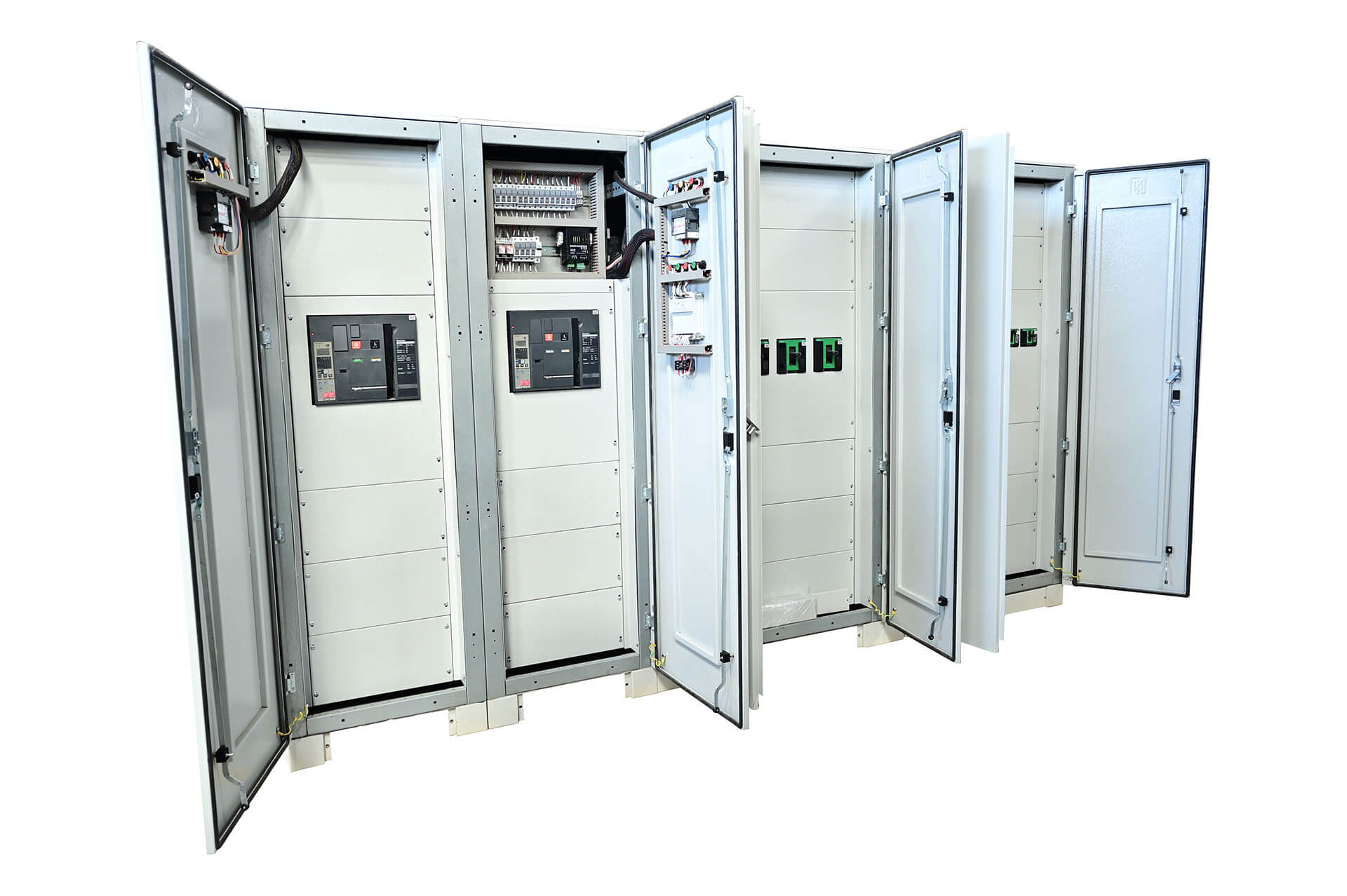
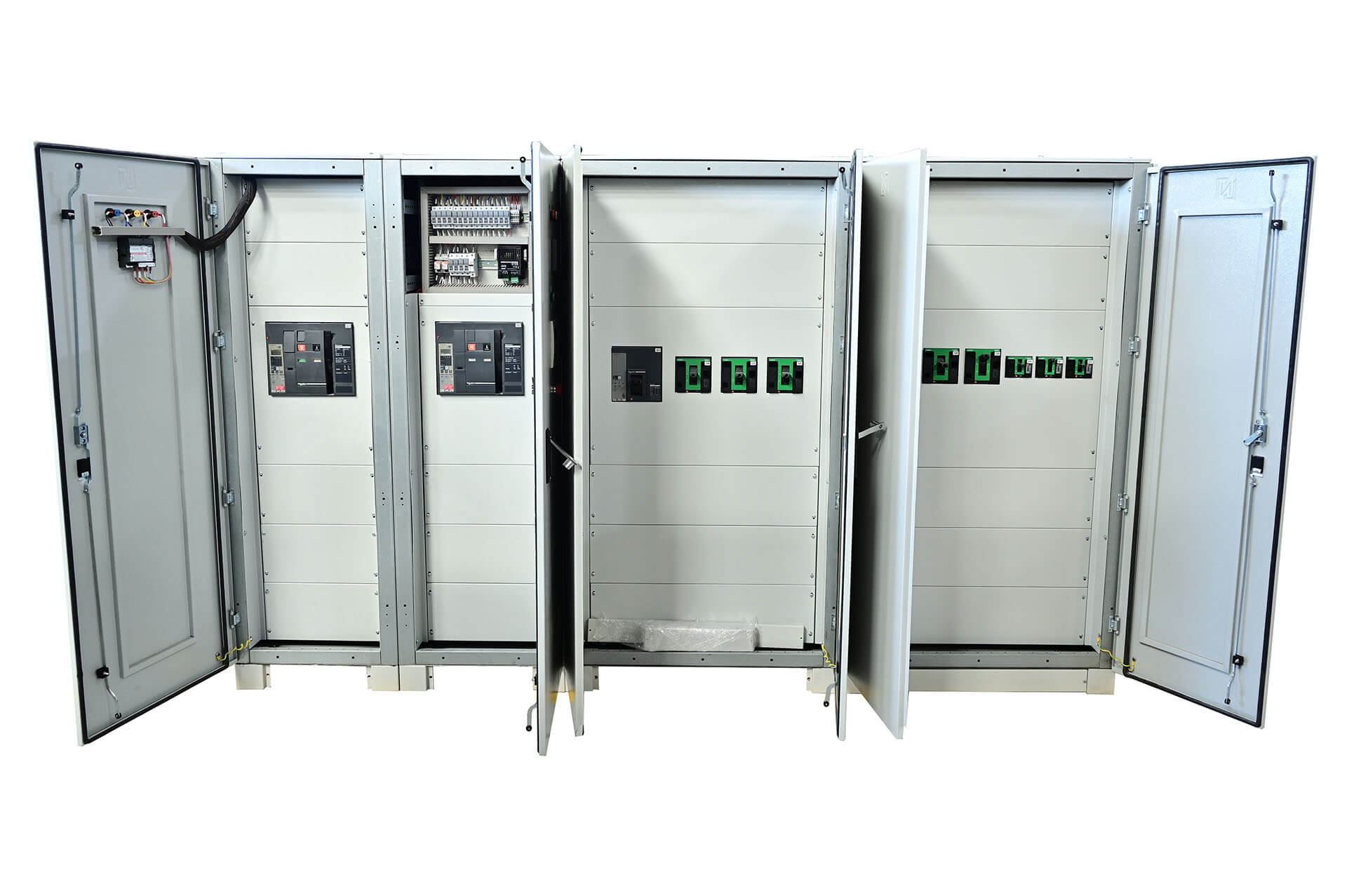
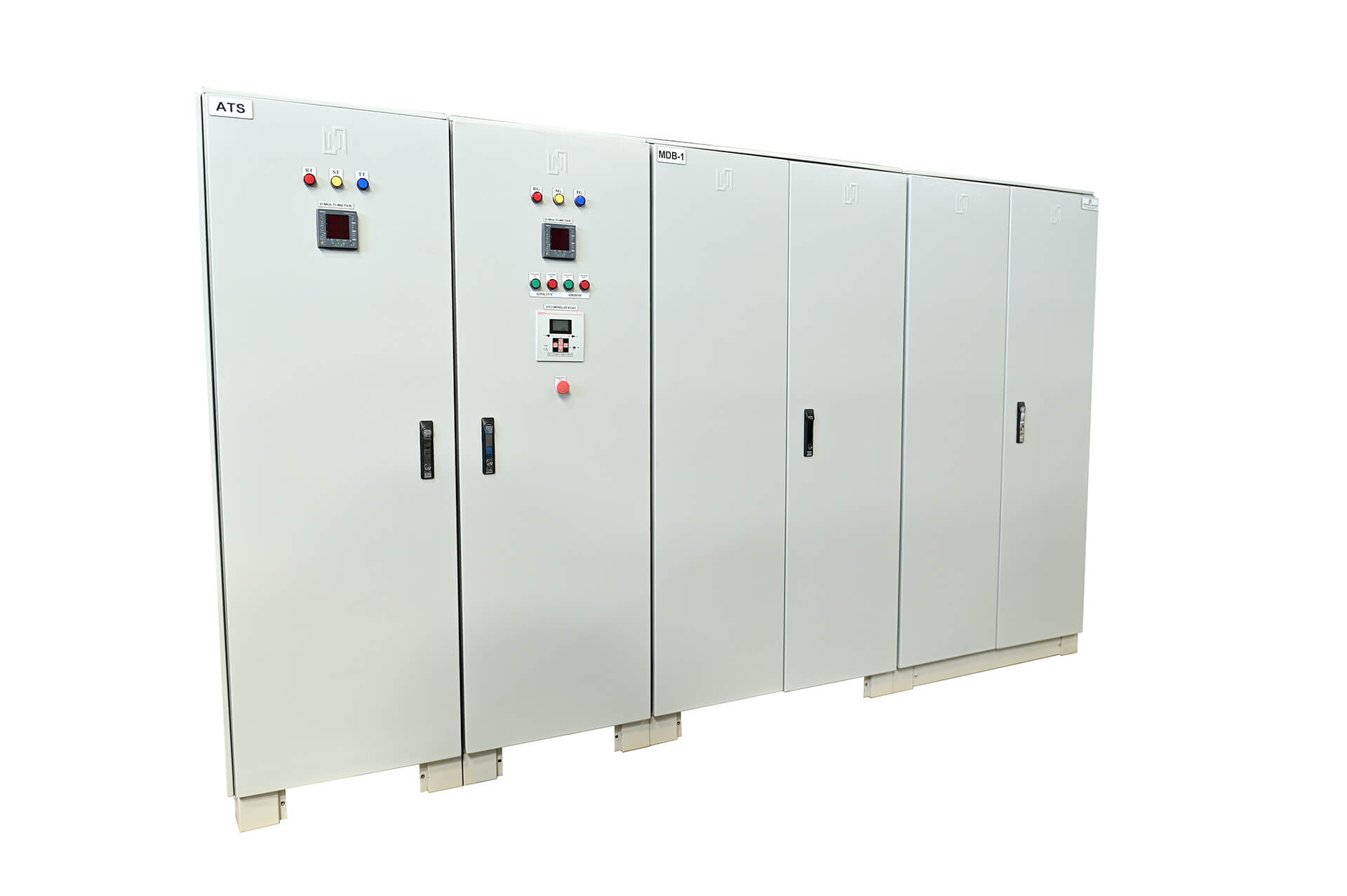
Specifying an electrical panel board that does not match site conditions is the fastest route to a full production line shutdown. In a Saudi industrial environment where ambient temperatures pass 50°C in summer, and where coastal air in Jeddah and Jubail carries heavy salt loading, a board that performs perfectly in Europe can fail inside your plant within months.
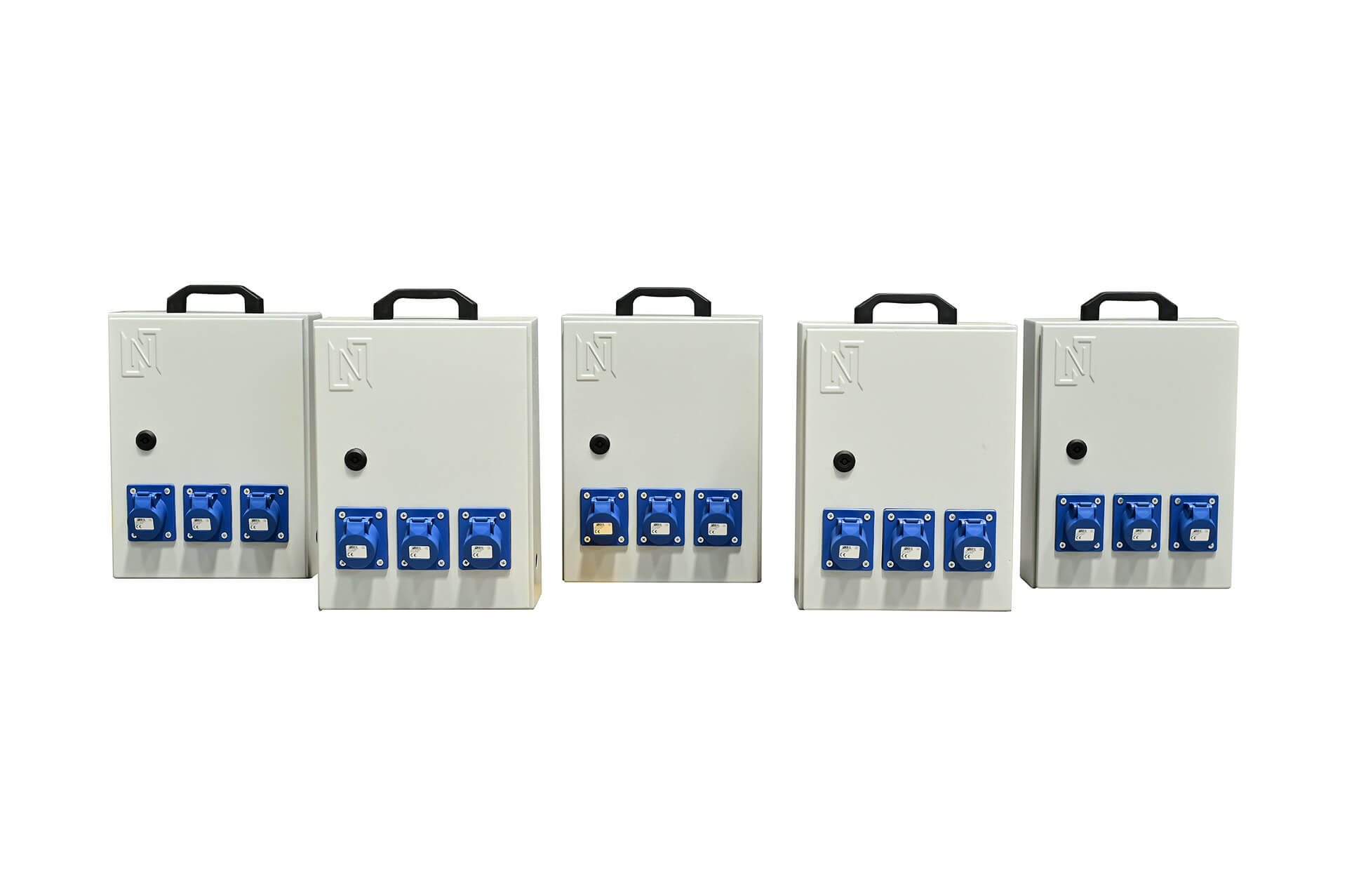
At Alnafie Metal Industries, our electrical panels division specialises in the design, production and assembly of all types of electrical panel board and metal enclosures and boxes, with a clear focus on power distribution and protection solutions built to the highest industrial standards. This guide explains — from the production floor — how a distribution board is actually built, and what you must define in your specification before releasing any purchase order.
What Is an Electrical Panel Board?
An electrical panel board is a metal-enclosed assembly that receives incoming supply from a primary source such as a transformer or generator, and distributes it across multiple outgoing circuits while providing overload and short-circuit protection through low voltage circuit breakers. It acts as the central control, isolation and metering point of a facility, and its design is governed by IEC 61439 for low voltage assemblies.
Put simply: it is the backbone of power distribution inside a plant. Every motor, production line and lighting circuit downstream depends on how soundly it was designed.
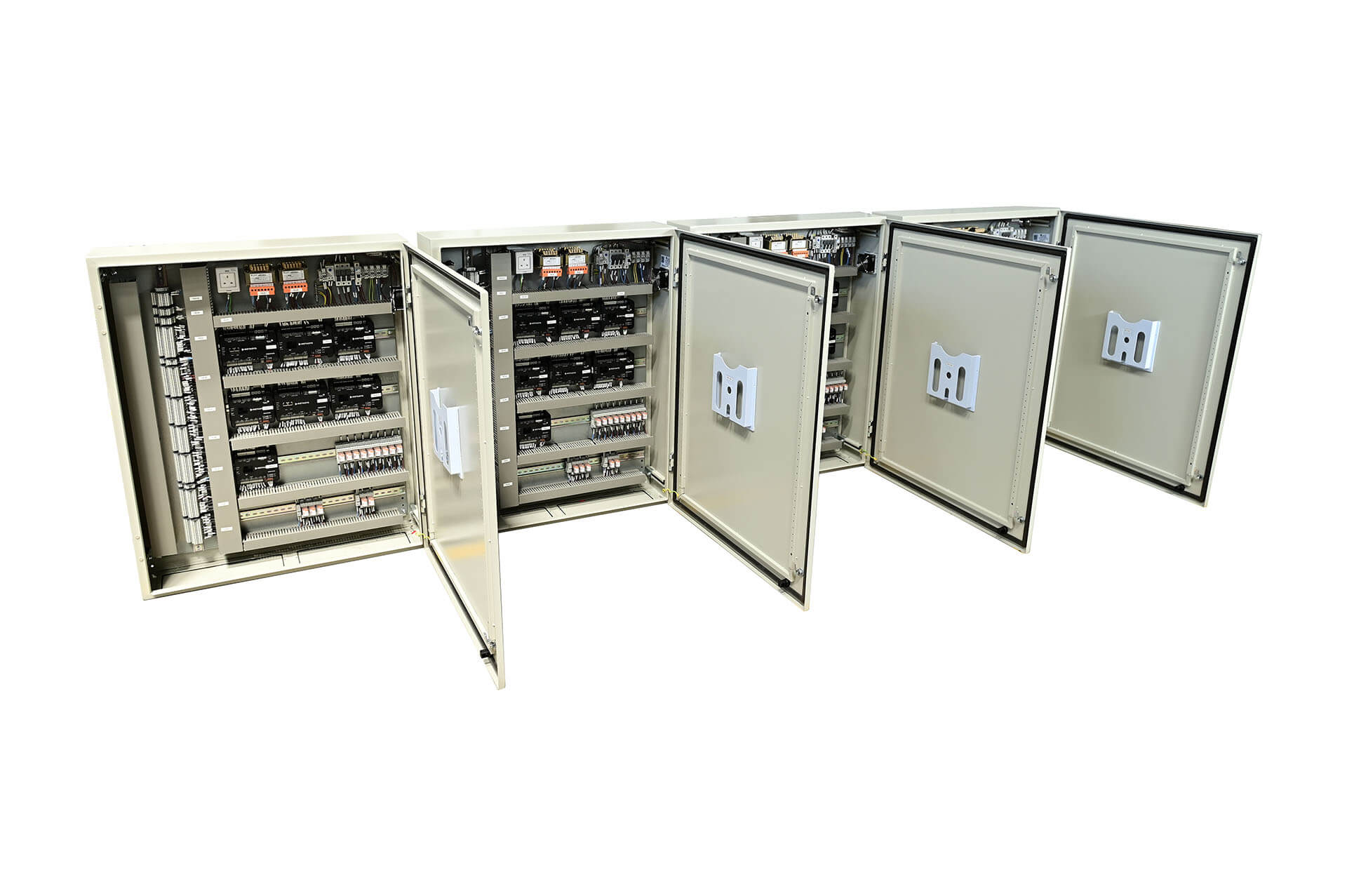
Core Components of a Distribution Board & electrical panel board
| Component | Function | Critical Specification Point |
|---|---|---|
| Enclosure | Mechanical protection and containment | Sheet thickness 1.5–3 mm, galvanised or powder coated |
| Busbars | Carrying the main current | Current density and short-circuit withstand (Icw in kA/1s) |
| Incomer (ACB/MCCB) | Main isolation and protection | Breaking capacity Icu matched to site fault level |
| Outgoing breakers (MCCB/MCB) | Branch circuit protection | Selective discrimination with the incomer |
| Insulators | Busbar mounting and isolation | Electromechanical stress withstand |
| Metering and protection relays | Monitoring and control | Multifunction meters and protection relays |
| Earthing system | Personnel and equipment safety | Continuous earth bar with adequate cross-section |
| Ventilation and fans | Heat dissipation | Without compromising the declared IP rating |
All of this begins with precision metalwork — delivered in-house through our plate works and metal bending lines, held to tolerances within tenths of a millimetre.
Types of Electrical Panel Board: Which One Fits Your Facility?
The types of Electrical Panel Board used in industry differ by their position in the distribution tree and their operational function. This is the classification we work to when executing industrial electrical panel board projects:
Main Electrical Panel Board (MDB)
Receives supply directly from the transformer or generator and distributes it to sub-boards. It requires the highest short-circuit withstand rating, and is normally built to Form 3b or 4b internal separation so that partial maintenance is possible without de-energising the entire plant.
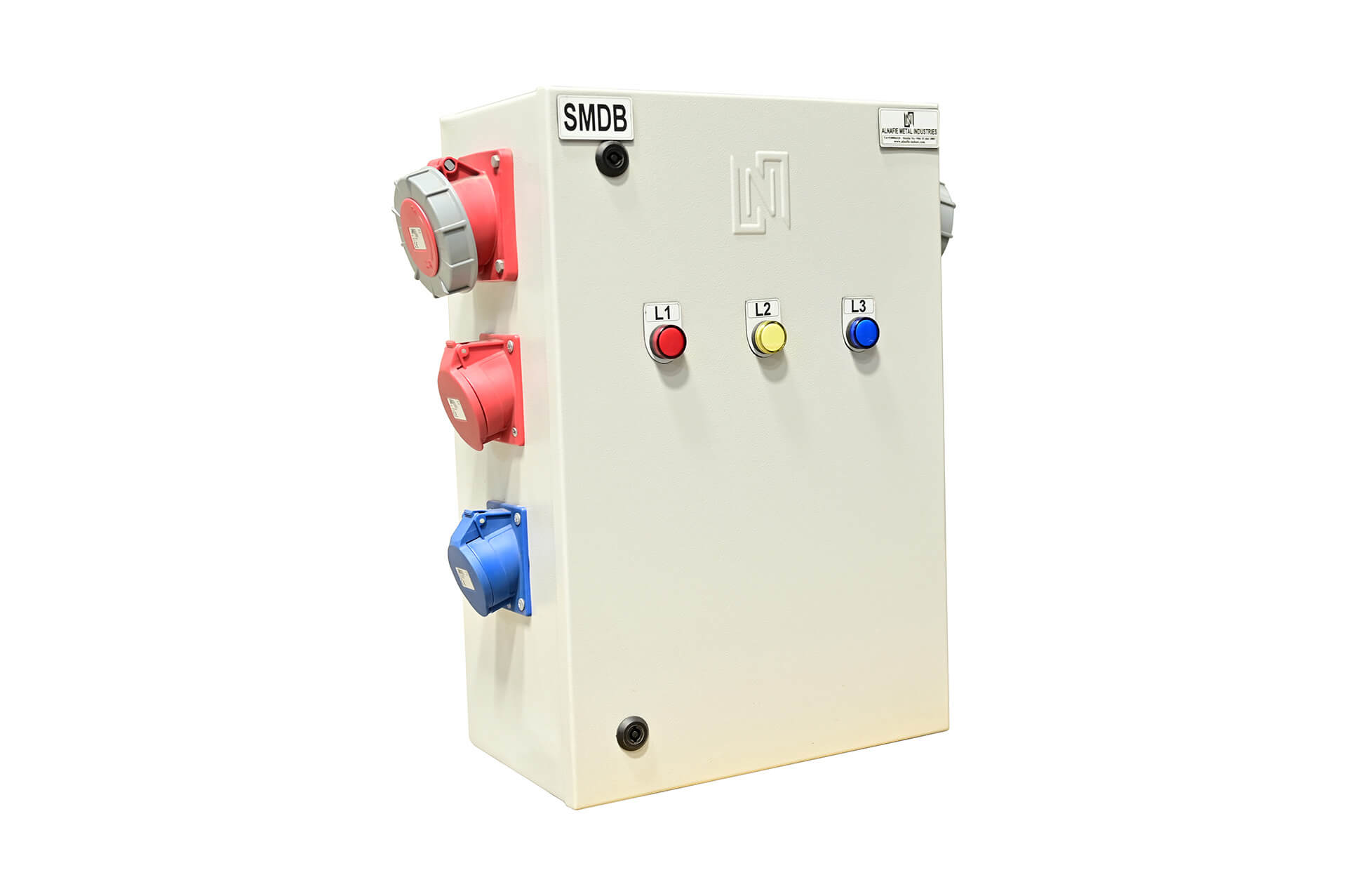
Sub-Distribution Boards (SMDB / DB)
Feed defined areas, floors or workshops. Smaller in scale, with the design emphasis on selective discrimination against the main board, so that a fault on one circuit never takes down the supply to a whole department.
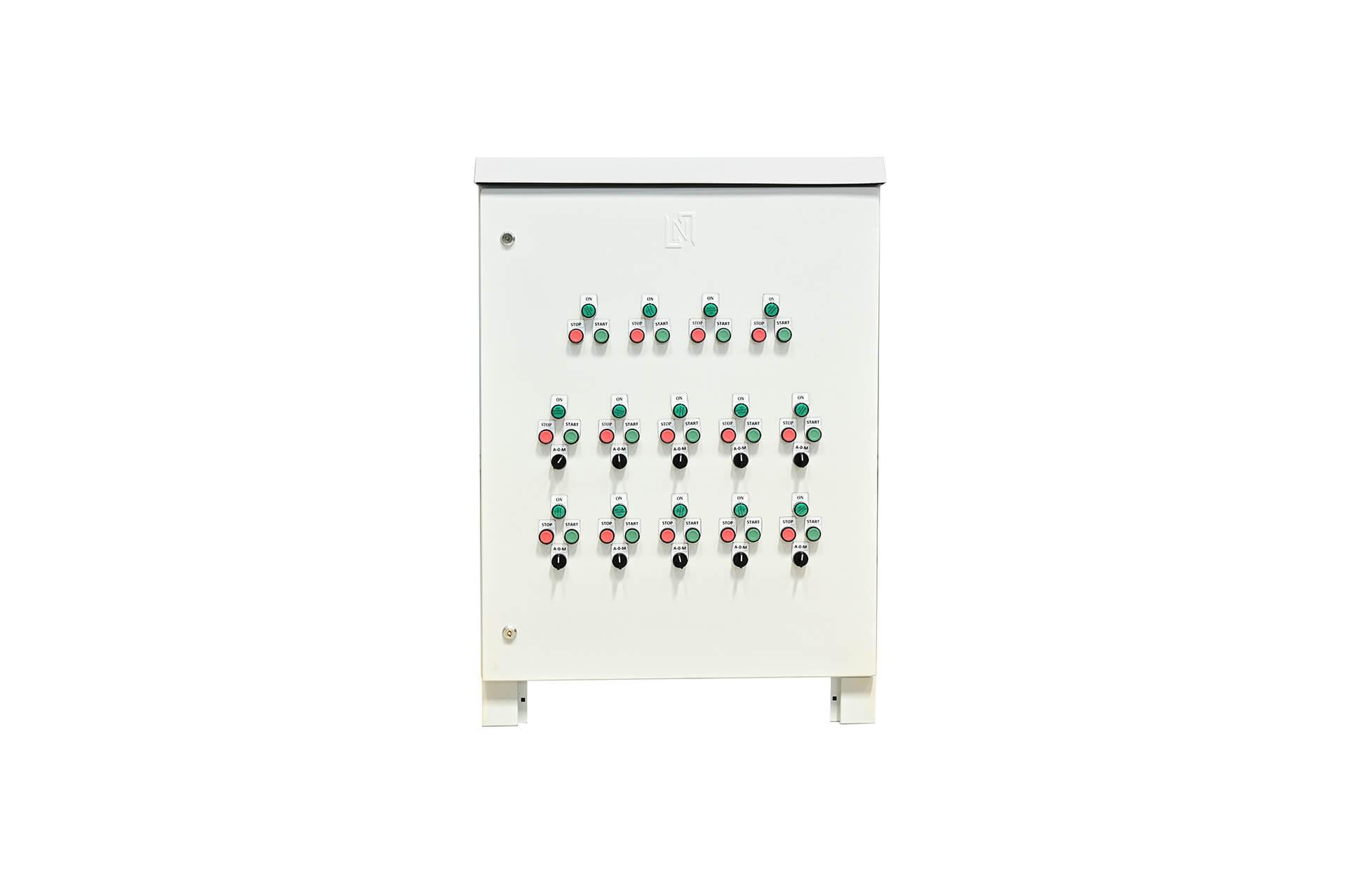
Motor Control Centres (MCC)
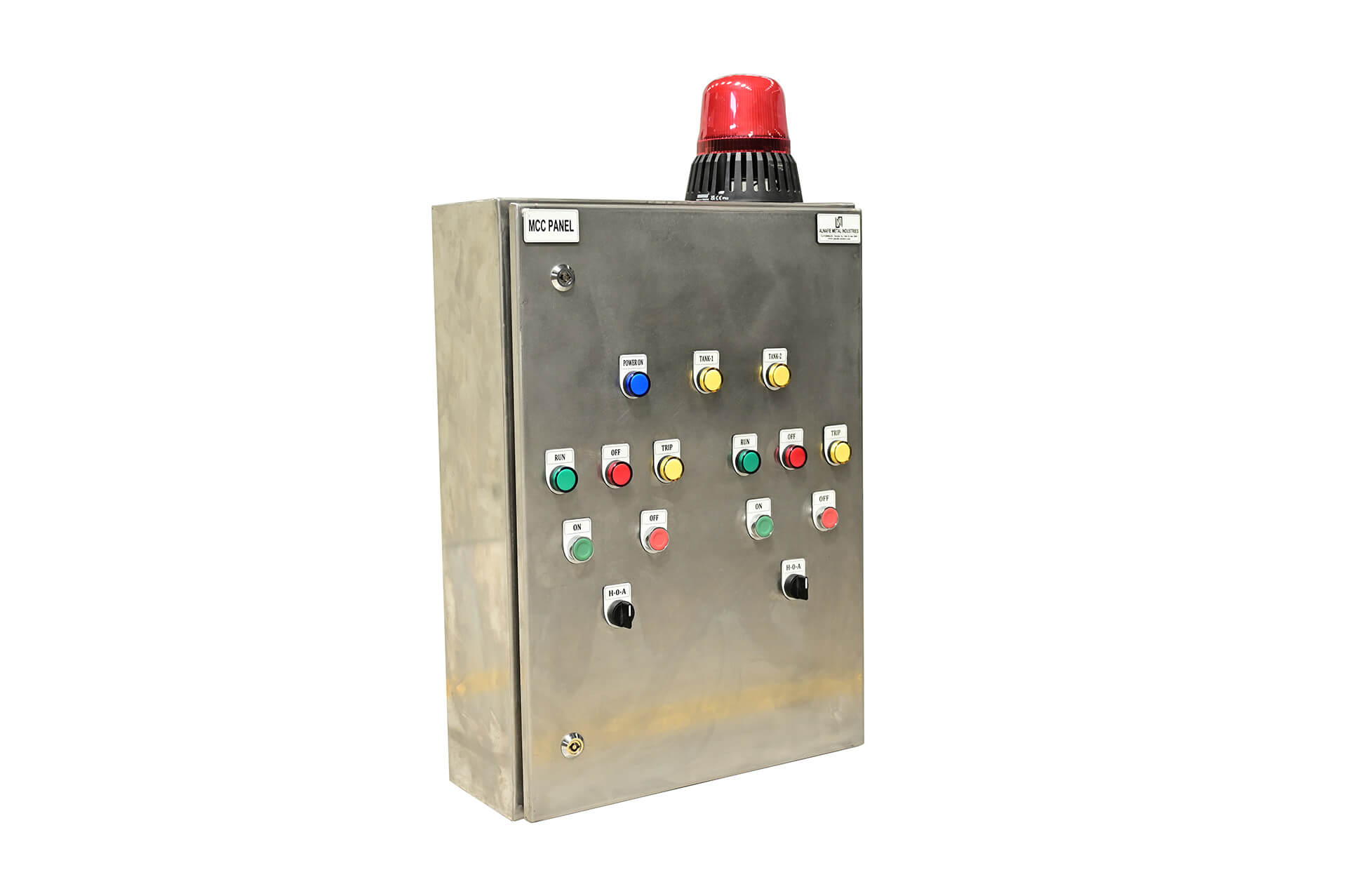
The backbone of any factory. An MCC panel houses starters, variable frequency drives and thermal protection. In plants running continuous operations, it should be built with withdrawable units to minimise downtime during maintenance.
Automatic Transfer Switch Panels (ATS)
Transfer the load between the utility supply and the standby generator within seconds. Essential in food, pharmaceutical and data centre facilities.
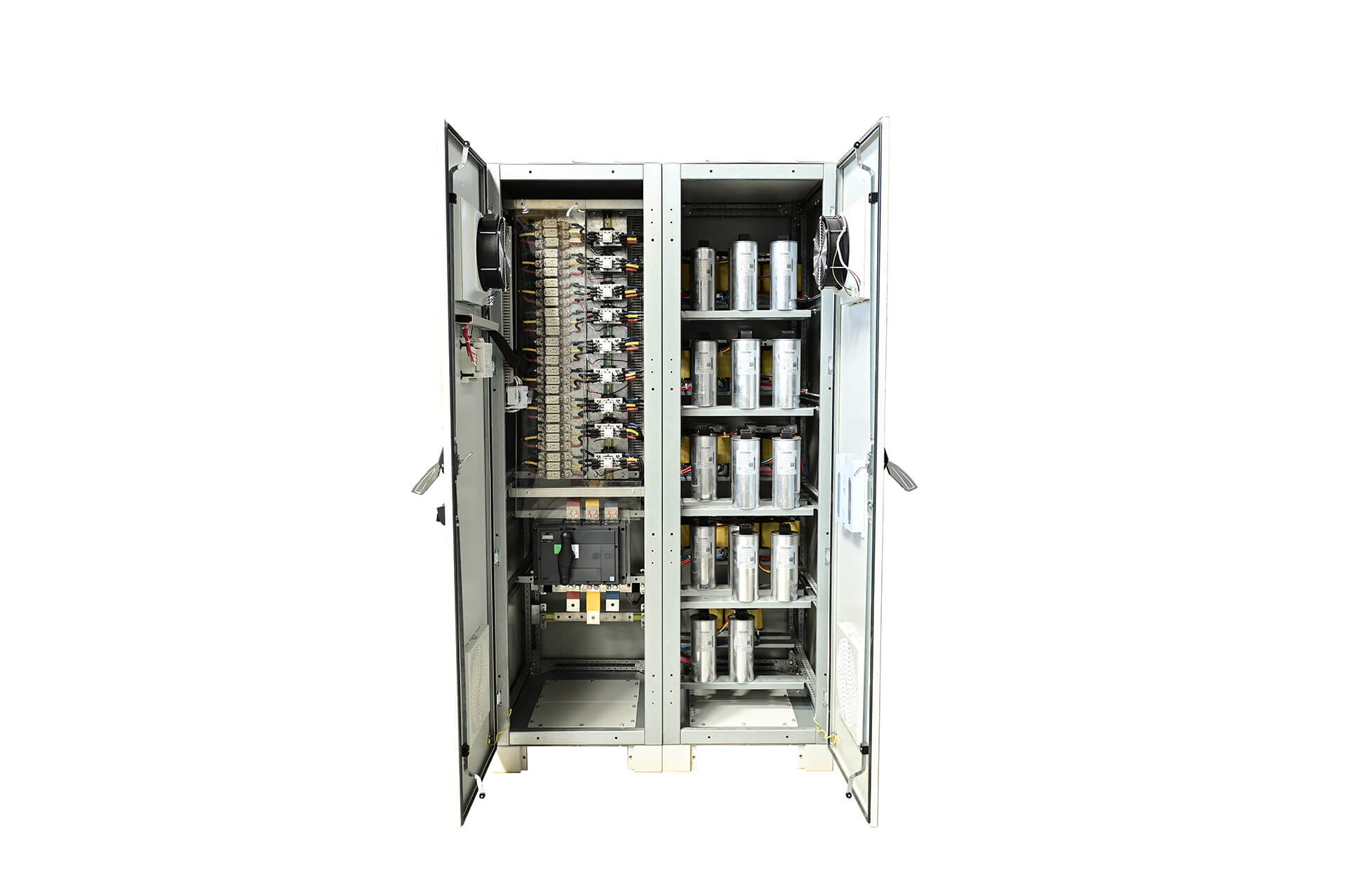
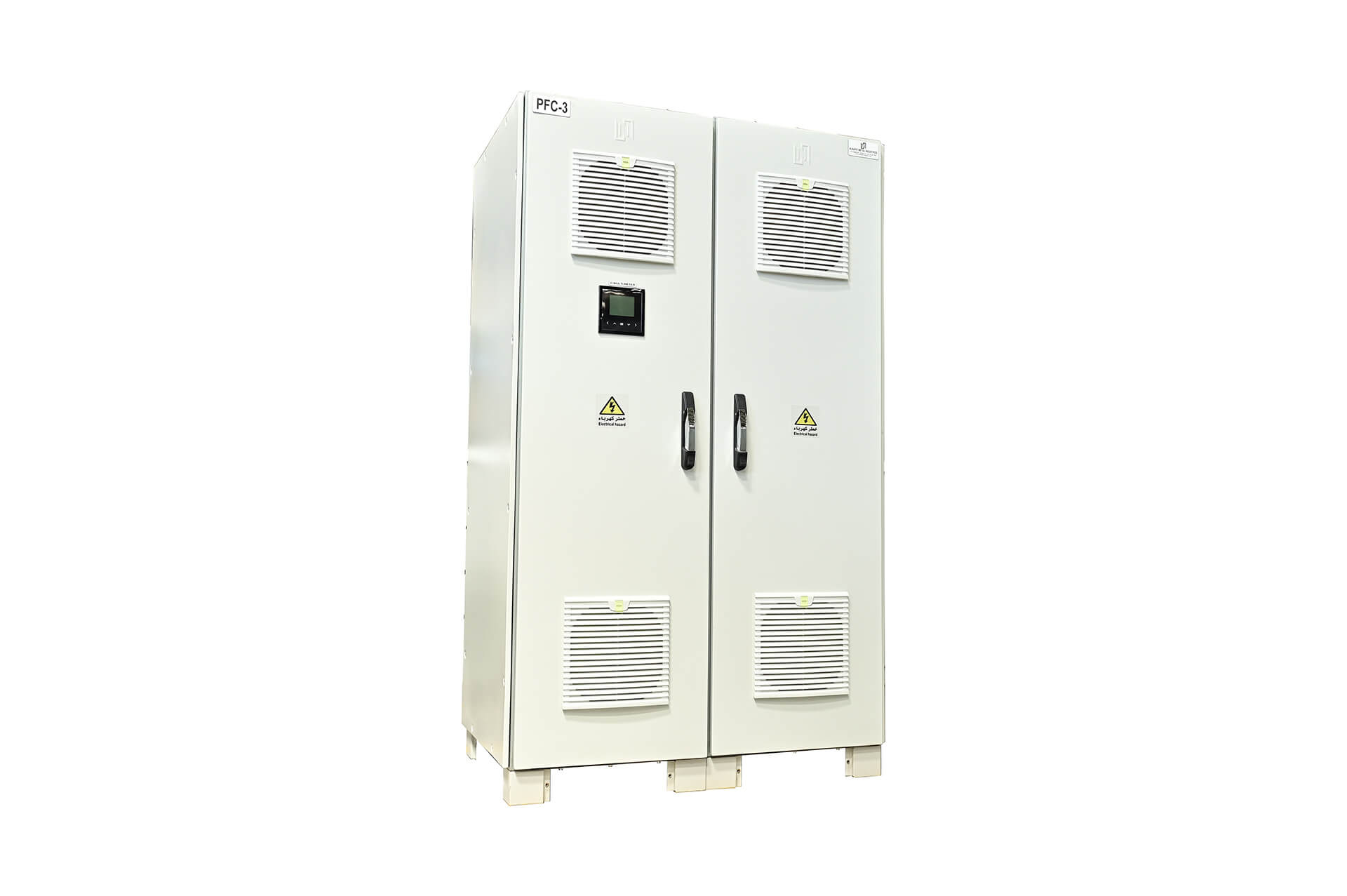
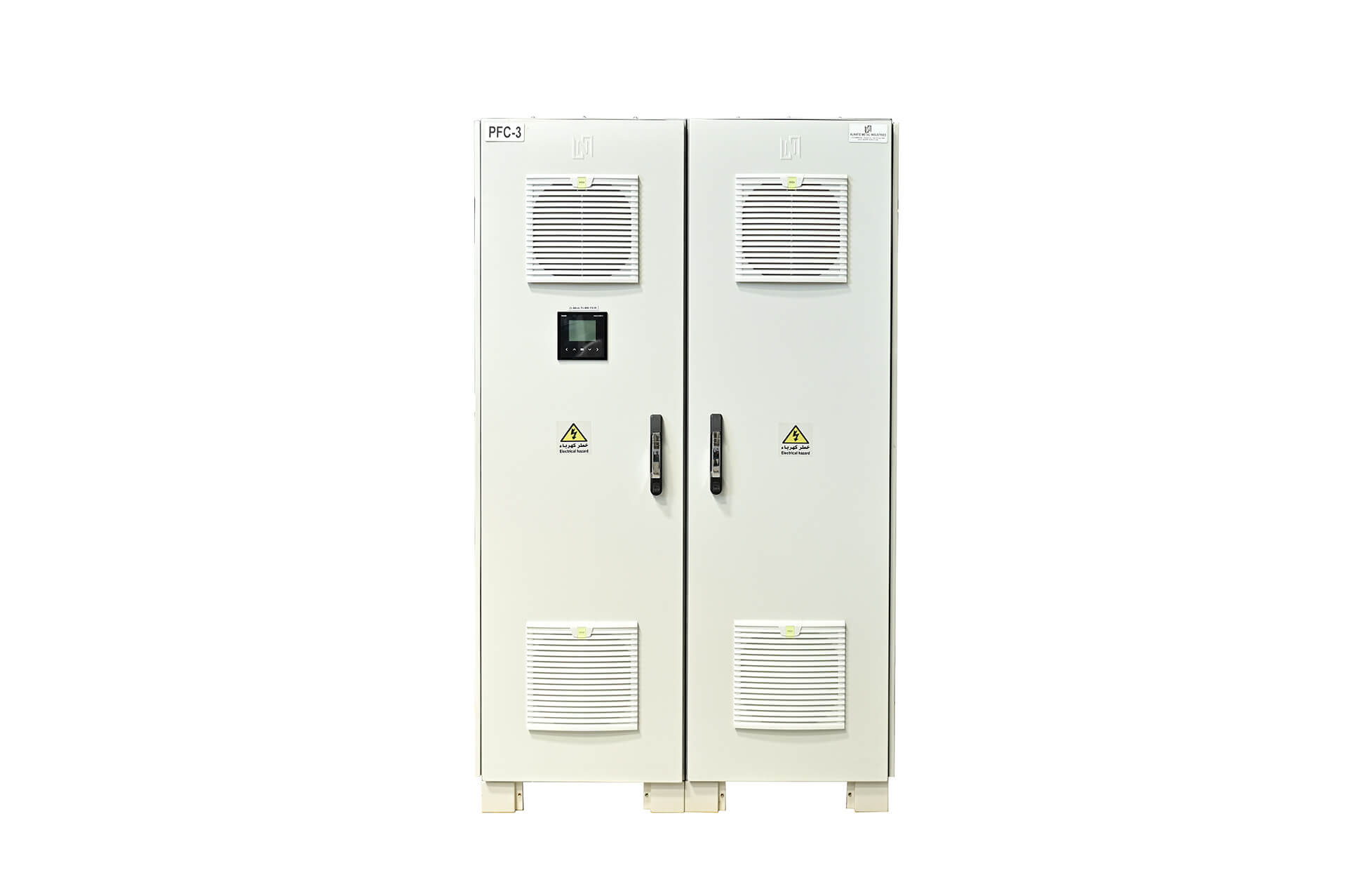
Capacitor Bank Panels
Eliminate power factor penalties on the Saudi electricity bill and release spare capacity from an existing transformer. In motor-intensive plants, payback is typically under 18 months.
PLC and Control Panels
House PLC controllers, HMI screens and industrial communication interfaces, forming the link between power distribution and the wider substation automation architecture.
Fire Fighting System Panels
Fire pump controllers and fire alarm panels carry specific Saudi Civil Defence requirements, including protected supply routes that remain independent of the general distribution network.
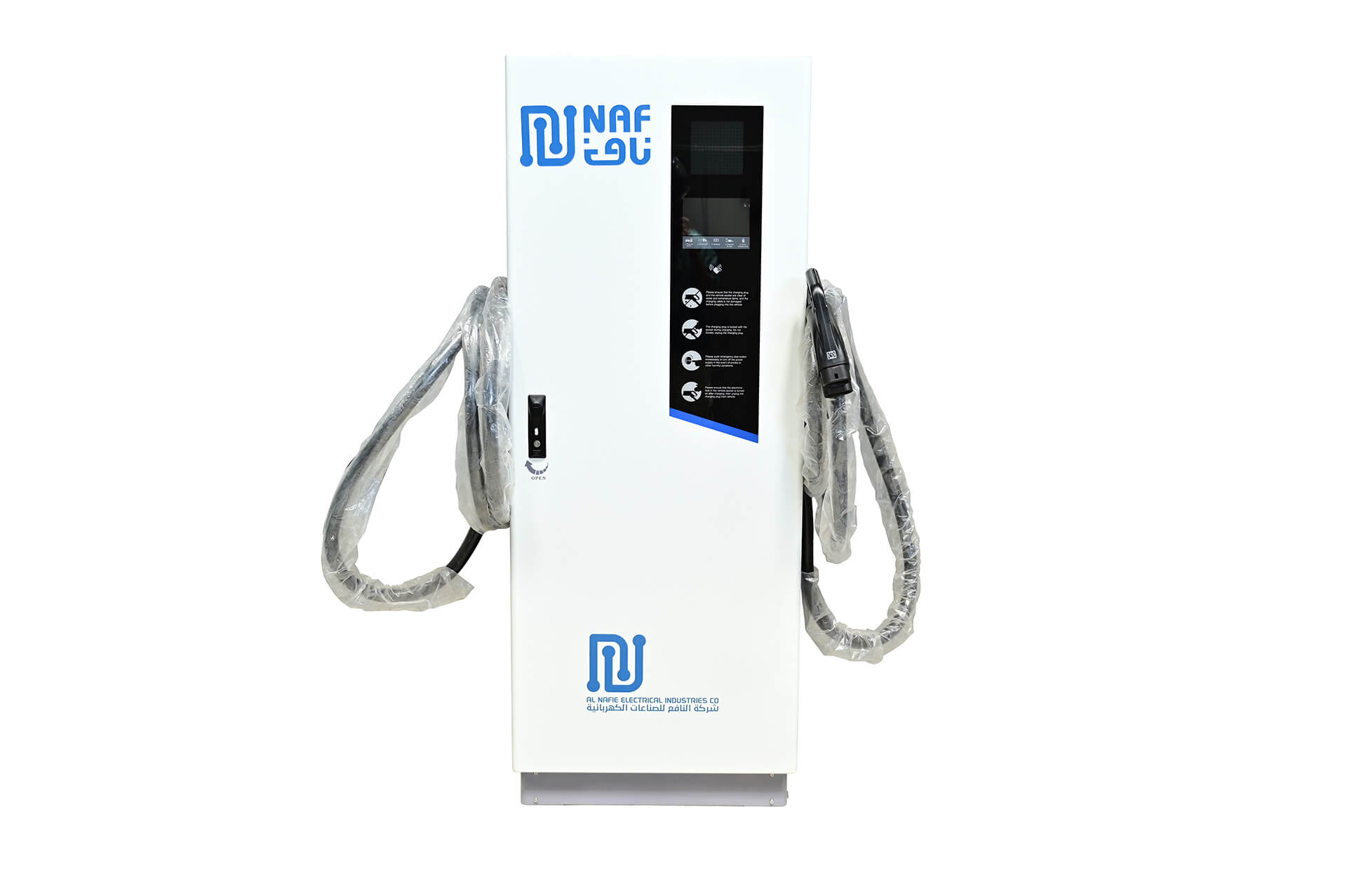
EV Charging Solutions
As Vision 2030 drives electric vehicle adoption, dedicated boards for charging infrastructure are increasingly specified. These require Type B residual current devices and dynamic load management to prevent transformer overload during simultaneous charging.
Explore the full range of what we manufacture in our products and services sections.
LV Switchgear vs MV Switchgear: Knowing the Boundary
Confusing the two voltage bands is among the most common specification errors in tender documents:
| Criterion | LV Switchgear | MV Switchgear |
|---|---|---|
| Voltage range | Up to 1000 V (typically 400/230 V) | 1 kV up to 36 kV |
| Governing standard | IEC 61439-1 / -2 | IEC 62271-200 |
| Typical application | Internal plant distribution, motors, lighting | Site intake, SEC grid connection, transformers |
| Switching devices | ACB / MCCB / MCB | VCB / RMU / Load break switch |
| Operating requirement | Qualified electrician | Certified operator under strict permit-to-work |
Large factories need both: a medium voltage ring at the site intake, then step-down transformers feeding the low voltage distribution boards network.
Standards and Specifications: What Belongs in Your Tender Document
These are the clauses we ask clients to define before manufacturing begins — their absence is the source of most delivery disputes.
IP Rating to IEC 60529
| Rating | Protection | Recommended Use |
|---|---|---|
| IP42 | Objects >1 mm + vertical drips | Air-conditioned indoor electrical rooms |
| IP54 | Dust protected + water spray | Production halls, general workshops |
| IP55 | Dust protected + water jets | Washdown areas, food industry |
| IP65 | Dust tight + water jets | Outdoor installation, desert sites |
| IP66 | Dust tight + powerful jets | Petrochemical and coastal sites |
For outdoor locations in Saudi Arabia, IP65 alone is not sufficient — we recommend adding a sun canopy and a double-skin roof to reduce internal panel temperature.
Forms of Internal Separation
Form 1: No internal separation — suitable only for simple applications.
Form 2: Busbars separated from functional units.
Form 3b: Busbars separated, functional units separated from each other, with separated terminals.
Form 4b: The highest level — every functional unit fully isolated together with its own terminals. This is what continuous-process plants require, because it allows one unit to be maintained safely while the rest of the board stays live.
Design Verification to IEC 61439
IEC 61439 replaced the old concept of “type testing” with three verification routes: testing, calculation, or comparison with a reference design. Always request the verification documentation from your supplier — a component certificate is not the same thing as a verified assembly.
Thermal Derating
Boards are rated at a standard average ambient of 35–40°C. At 50°C inside a non-air-conditioned production hall, the usable capacity of the breakers can drop by 15–20%. Ignoring this clause means repeated nuisance tripping with no visible cause.
Corrosion Resistance
In coastal zones (corrosivity category C5-M under ISO 12944), standard paint will not survive. We prepare surfaces through blasting followed by metal finishing with powder coating at 60–80 microns, or specify 316 stainless steel for the harshest environments.
Saudi Regulatory Requirements
Compliance with the Saudi Building Code for electrical works (SBC 401), Saudi Electricity Company specifications at the point of connection, and SASO requirements — plus Civil Defence approval for any board tied to fire protection systems.
How Alnafie Builds an Electrical Panel Board
The difference between a board that lasts 5 years and one that lasts 25 is made in the factory, not in the component catalogue. Our team applies advanced techniques and precision manufacturing methods across the following stages.
Engineering and Design
Reviewing the load schedule, calculating fault levels, sizing copper sections, and issuing shop drawings for consultant approval before a single sheet is cut.
CNC Laser Cutting
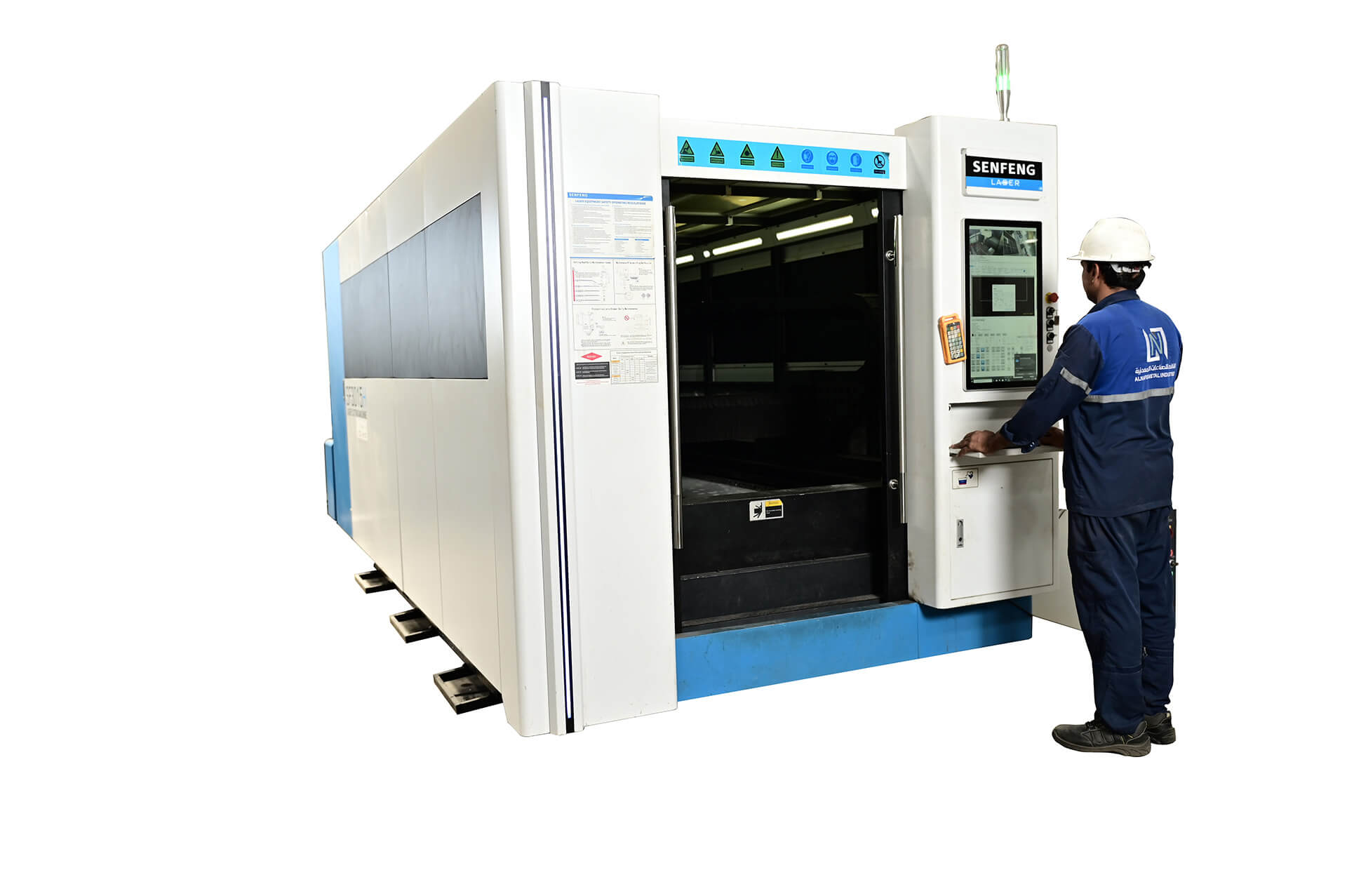
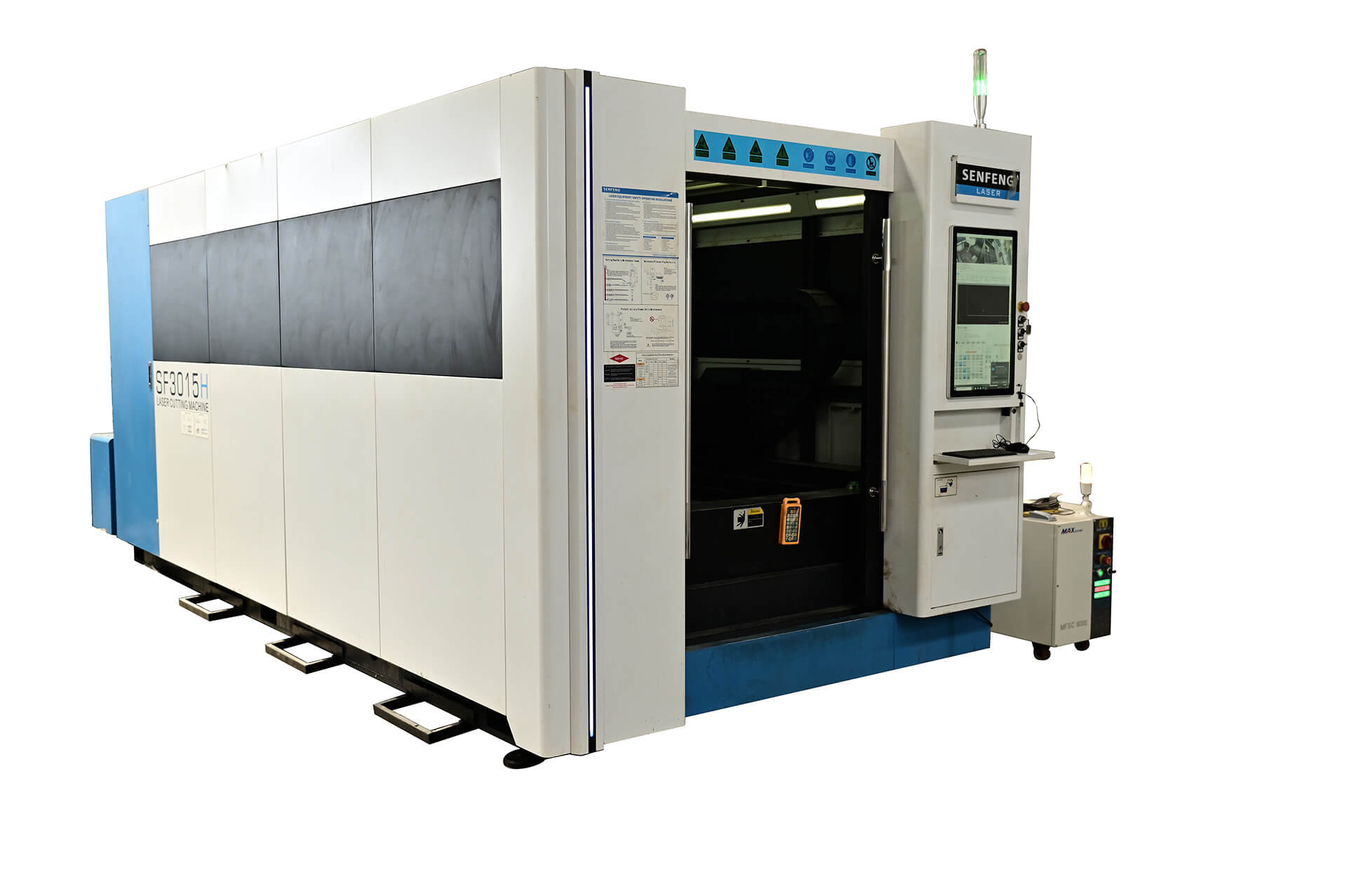
Enclosure sheets are cut using laser metal cutting and iron cutting to high accuracy, guaranteeing straight edges and correct assembly fit.
Perforation and Forming
Ventilation and cable entry openings are produced through metal perforation, then folded to precise angles to form the enclosure body.
Welding and Mechanical Assembly
Frame welding, plus door fitting with heavy-duty hinges and continuous gaskets that make the declared IP rating a physical reality rather than a paper claim.
Surface Treatment and Coating
Cleaning and blasting, then electrostatic powder coating in RAL 7032/7035 with thermal curing for adhesion and scratch resistance.
Electrical Assembly
Installation of busbars, breakers and wiring, with full ferrule numbering and organised, traceable cable routing.
Factory Acceptance Testing (FAT)
Insulation resistance testing, dielectric withstand testing, functional sequence verification and earth continuity checks — witnessed by the client representative and consultant.
Packing and Delivery
Moisture-resistant packing and transport to site through our own delivering service, covering every region of the Kingdom.
Why Alnafie Metal Industries?
Fully integrated manufacturing under one roof. We do not buy ready-made enclosures and populate them; we fabricate the metal enclosures and boxes ourselves, from raw sheet through to final coating. That means complete control over quality and schedule, and the ability to produce custom sizes and configurations that off-the-shelf boards cannot deliver.
Proven experience in power infrastructure. We have delivered structural and metalworks packages for electrical infrastructure projects across the Kingdom, including the electricity towers project in Abha, alongside major works for clients such as the Saline Water Conversion Corporation. Browse the full record in our projects.
Documented accreditations. We operate under a documented and accredited quality system, and you can review our certificates before making any supply decision.
Single-source capability. Alongside panels, we deliver steel structures, static equipment and fencing — one supplier for the entire electrical room, instead of coordinating five.
Learn more about our story and capabilities in about Alnafie.
Five Common Mistakes When Buying electrical panel board
Buying on price alone. A 15% difference in board price is meaningless against a single hour of lost production.
Skipping the fault level calculation. A breaker rated below the site fault current is an arc flash hazard, not merely a nuisance failure.
Ignoring future expansion. Always specify at least 25% spare capacity in functional units.
Accepting component certificates as proof. An ACB certificate does not mean the complete assembly has been verified to IEC 61439.
Overlooking operating documentation. Without as-built drawings and a maintenance manual, you will pay twice at the first fault.
Preventive Maintenance Schedule for Distribution Boards
| Interval | Action |
|---|---|
| Monthly | Visual inspection, meter readings, confirm fans are running |
| Quarterly | Thermographic survey to detect hot spots before they become failures |
| Half-yearly | Internal cleaning, gasket seal inspection, indicator lamp testing |
| Annually | Re-torquing of connections, insulation resistance testing, earthing verification |
| Every 3 years | Full functional testing of breakers and protection devices |
Thermographic surveying in particular delivers the highest return of any maintenance activity — it identifies loose connections weeks before they can start a fire.
Get a quotation for an electrical panel board built to your exact specification within 48 hours — fully Saudi manufacturing, verified to IEC 61439, from a factory that has delivered the Kingdom’s major infrastructure projects. Request your quote now
Frequently Asked Questions
What is the difference between a main electrical panel board and a sub-distribution board?
The main distribution board (MDB) receives supply directly from the transformer or generator and distributes it to sub-boards, and carries the highest fault withstand rating. A sub-distribution board (SMDB/DB) feeds a defined area at lower capacity, with protection selectively coordinated against the main board.
What are the different types of electrical panel board used in factories?
The main types are the main distribution board (MDB), sub-distribution boards (SMDB/DB), motor control centres (MCC), automatic transfer switch panels (ATS), capacitor bank panels for power factor correction, PLC and control panels, fire fighting system panels, and dedicated boards for EV charging solutions.
What is an MCC panel in electrical systems?
A motor control centre is an assembly that houses the starters, variable frequency drives and thermal protection for a facility’s motors in one coordinated enclosure. It centralises motor control and protection, and in continuous-process plants it is specified with withdrawable units so a single starter can be replaced without shutting the line down.
What standards must an electrical panel board meet in Saudi Arabia?
IEC 61439-1/-2 for low voltage assemblies, plus the Saudi Building Code for electrical works (SBC 401) and Saudi Electricity Company specifications at the point of connection. Fire fighting system panels additionally require Civil Defence approval.
How long does it take to manufacture a custom distribution board?
Typically between 4 and 10 weeks, depending on board size, component availability and how quickly the consultant approves the shop drawings. Drawing approval is usually the longest stage — not the manufacturing itself.
What IP rating is right for outdoor installation in Saudi Arabia?
No less than IP65, combined with a sun canopy and either a double-skin roof or forced ventilation, given the ambient temperatures and dust loading. In coastal areas, IP66 with a C5-M corrosion protection system is preferable, since water ingress into a live board causes insulation failure and short circuits.
Can you manufacture boards to custom dimensions and designs?
Yes. As a fully integrated metalworking factory, we produce metal enclosures and boxes in any dimension or configuration a site requires, including reduced-depth boards and units built for non-standard spaces.
What is Form 4b internal separation and when do I need it?
Form 4b is the highest level of internal separation, where each functional unit is fully isolated along with its own terminals. You need it when continuous operation is critical, because it allows one unit to be safely maintained without de-energising the rest of the board.
How do capacitor bank panels reduce the electricity bill?
By raising the power factor into the required range, the power factor penalties applied to industrial facilities disappear, and the drawn current falls — which reduces cable losses and releases spare capacity from the existing transformer without upgrading it.
Do you deliver and install across all regions of the Kingdom?
Yes, through our own delivering service, with moisture-resistant packing and full coordination of the delivery schedule with the site contractor.
prepared by the engineering team at Alnafie Metal Industries. For more technical articles, visit our industry news.
