
Mataf Al-Haram al-Makki: Expansion Stages and Al Nafie Metal Industries’ Role in Developing the Mataf Courtyard
Introduction
Mataf Al-Haram al-Makki is one of the most important Islamic landmarks in the world, as it is the place where millions of Muslims gather every year to perform the rituals of Hajj, Umrah, and Tawaf around the Holy Kaaba. With the continuous increase in the number of visitors, the Grand Mosque has witnessed, over the past decades, a series of massive development projects aimed at improving the experience of the guests of the Most Merciful and raising the capacity of Masjid al-Haram.
Among the most notable of these projects is the Mataf Courtyard expansion project, which helped ease the movement of those performing Tawaf and provided larger spaces around the Holy Kaaba. As part of these giant projects, specialized national companies took part in carrying out engineering and construction works, including Al Nafie Metal Industries, which contributed its industrial expertise to works linked with major projects across the Kingdom.
What Is Mataf Al-Haram al-Makki?
Mataf Al-Haram al-Makki is the space designated for performing the ritual of Tawaf around the Holy Kaaba, and it is one of the most important parts of the Grand Mosque overall. The Mataf is located at the heart of the Grand Mosque, surrounding the Kaaba directly, and it consists of several levels: the ground floor (the Mataf Courtyard) and the upper floors added to accommodate larger numbers of those performing Tawaf.
The importance of this place is not limited to being a physical space; it is also where Muslims from every corner of the world, with their different languages and cultures, gather to perform the exact same ritual in the exact same way. For this reason, any development that takes place here must respect the religious sensitivity of the site while also meeting the highest standards of safety and ease of movement.
The role of the Mataf in facilitating the movement of Tawaf is very clear: every increase in space, or improvement in flooring quality, lighting, or ventilation, has a direct impact on the comfort of worshippers, especially during peak times such as the Hajj and Umrah seasons and Ramadan.
What Is Meant by the Mataf Courtyard of Masjid al-Haram?
The Mataf Courtyard of Masjid al-Haram is the open, ground-level area that surrounds the Holy Kaaba directly, and it is where Tawaf begins and where most of it takes place. The Mataf Courtyard differs from the rest of the Grand Mosque in that it is the closest area to the Kaaba, paved with special marble designed to withstand heavy foot traffic and suit the nature of the ritual.
Components of the area surrounding the Kaaba include:
- The Black Stone and the starting point of Tawaf.
- The Stone of Ismail (Al-Hijr).
- The Station of Ibrahim (Maqam Ibrahim).
- The Spout of Mercy (Mizab al-Rahmah).
- Dedicated pathways for worshippers using wheelchairs and people with special needs.
The essential difference between the Mataf Courtyard and the rest of the Grand Mosque is that it is the only place where actual Tawaf around the Kaaba takes place, while the rest of the mosque (upper floors, roof, outer courtyards) is dedicated to prayer, waiting, and some additional Tawaf paths used during periods of severe crowding.
What Is the Mataf Expansion Project?
The Mataf expansion project is one of the most prominent projects carried out by the state at Masjid al-Haram, and it came as a result of the year-on-year increase in the number of pilgrims and Umrah performers, along with the limited capacity of the old space, which was no longer sufficient to accommodate such large numbers.
Reasons for Implementing the Project
The main reason behind the Mataf expansion is the noticeable increase in the number of visitors to the House of God, whether during the Hajj season or Umrah throughout the year. The old space used to experience severe crowding, especially during peak times, which affected the comfort and safety of worshippers.
Goals of the Expansion
Among the most prominent goals of the Mataf Courtyard expansion project:
- Increasing capacity: enabling the Mataf to accommodate larger numbers of worshippers at the same time.
- Developing infrastructure: from ventilation and cooling systems, to heat- and slip-resistant flooring, to advanced drainage systems.
- Improving visitor movement: by organizing pathways and entry/exit routes, and allocating dedicated paths for people with special needs.
All these goals serve one purpose: a safer, easier Tawaf experience for every guest of the Most Merciful.
Stages of the Mataf Courtyard Expansion
Historical Expansions of Masjid al-Haram
The Grand Mosque has gone through several expansions throughout history, starting with the expansions of the first Saudi era, which began in the middle of the last century, followed by the second Saudi expansion, which added large spaces and multi-level buildings around the mosque. These historical expansions laid the foundation on which today’s modern projects were built.
The Modern Saudi Expansion Project
Over the past decade, efforts have focused on expanding the Mataf Courtyard itself, which is considered one of the most technically demanding engineering challenges, since the work took place in an extremely sensitive area very close to the Holy Kaaba, amid continuous Tawaf movement almost around the clock. The project included improving the efficiency of the flooring, expanding the available space for Tawaf, and enhancing the ventilation and lighting systems in the surrounding area.
Engineering and Structural Developments
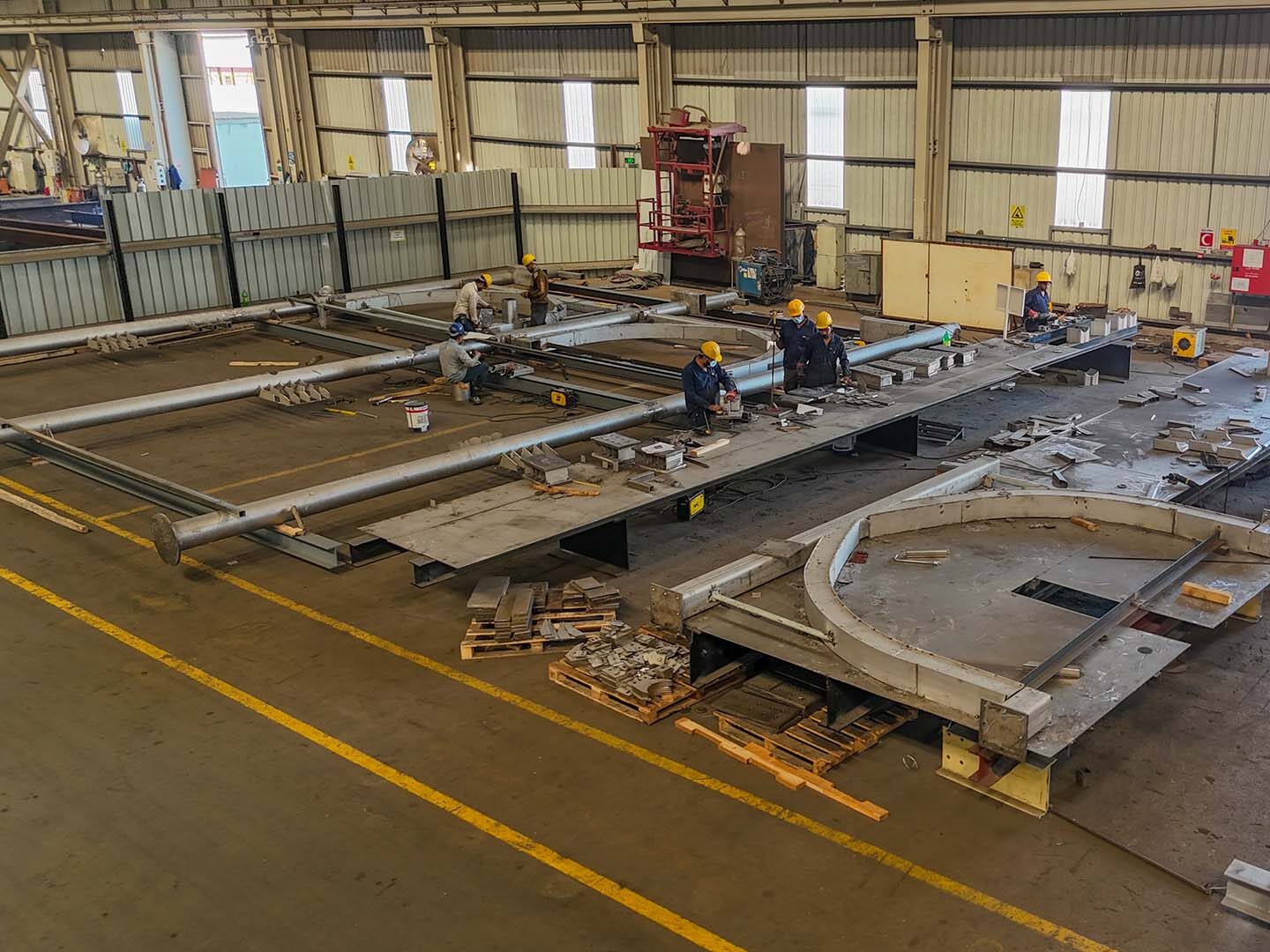
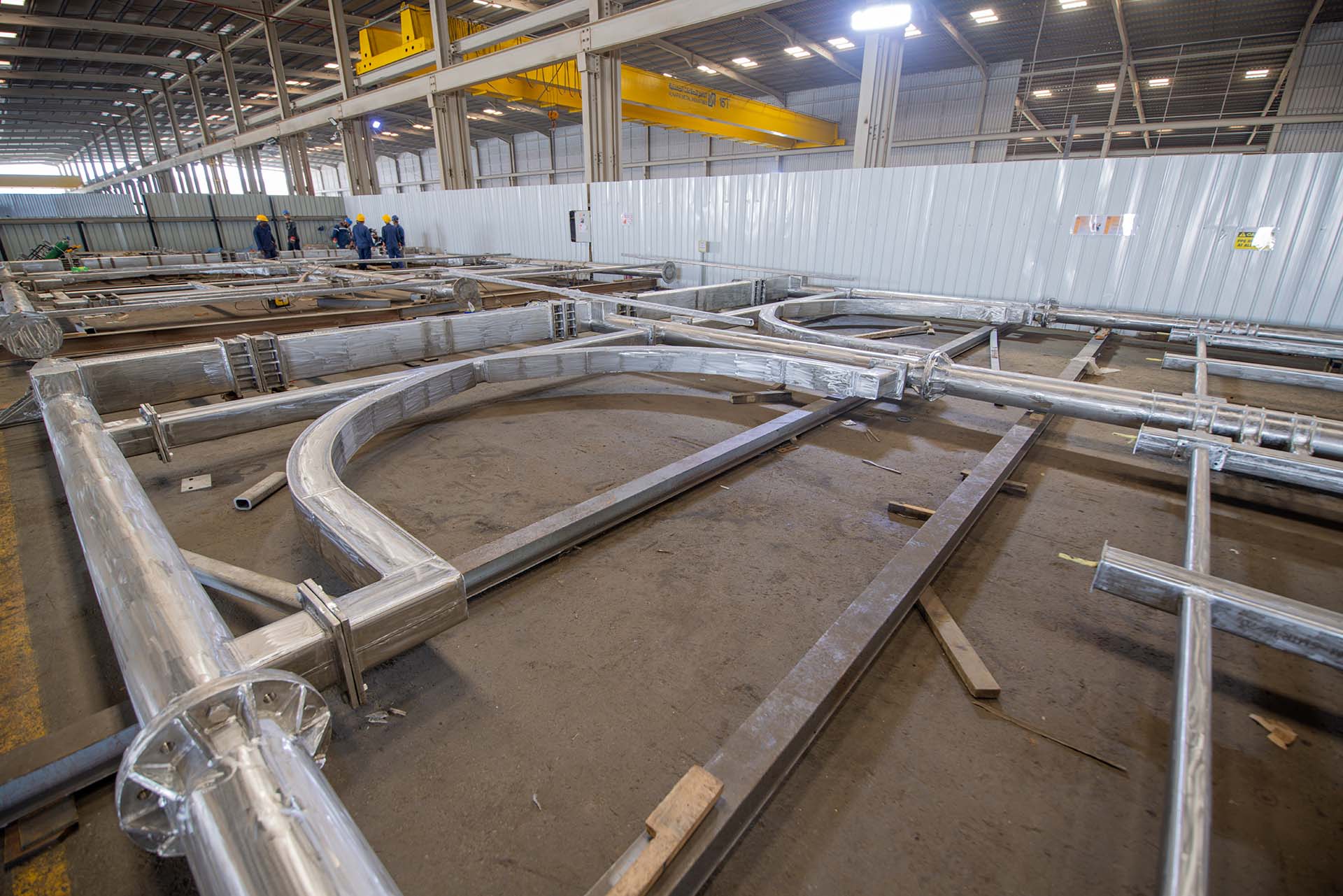
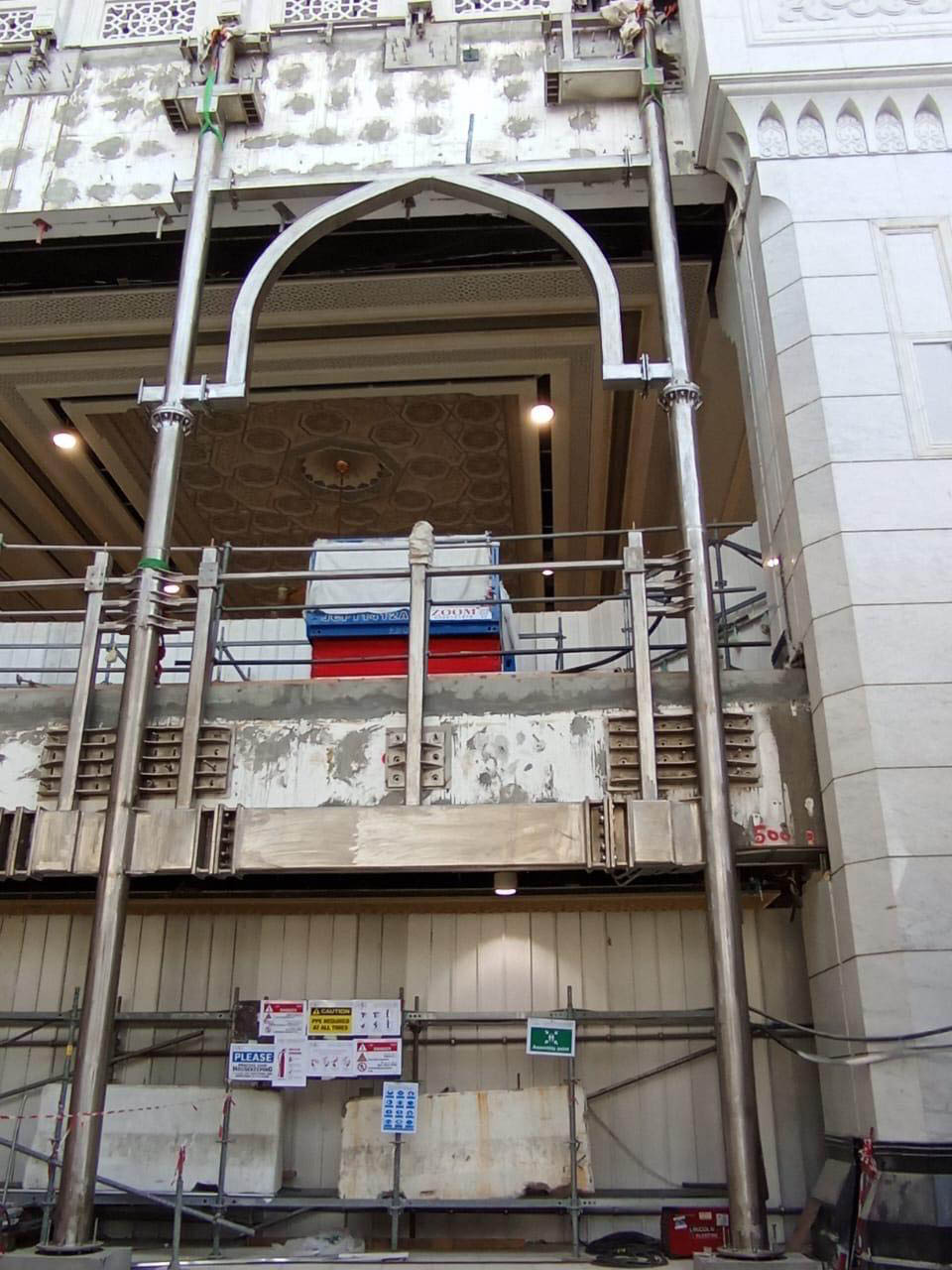
Construction work of this kind requires precise coordination between several engineering disciplines: structural, architectural, mechanical, and also the metal industries involved in manufacturing and installing multiple structural and architectural elements, whether supporting steel structures, protective systems, or metal finishes that align with the architectural character of the Grand Mosque.
The Mataf Now: How Has It Changed After the Expansion Works?
After the expansion works were completed, the Mataf now looks and performs completely differently than before. Capacity has clearly increased, and larger numbers of worshippers can now perform the ritual with greater comfort, even during peak times.
Among the most notable improvements noticed by pilgrims and Umrah performers:
- Current capacity: wider spaces allowing a larger number of worshippers to move at the same time.
- New services: dedicated pathways for people with special needs, and crowd guidance and management systems.
- Ease of movement: a clear improvement in the flow of movement in and out of the Mataf Courtyard, and reduced bottlenecks.
- Architectural and engineering upgrades: flooring and finishes that respect the sacred nature of the site while preserving the Grand Mosque’s authentic architectural character.
All these improvements have had a direct impact on the worship experience itself, making Tawaf a calmer and less physically demanding experience.
Al Nafie Metal Industries’ Role in Mataf Al-Haram al-Makki Mataf Expansion Projects
Among the parties that took part in carrying out some of the works linked to Masjid al-Haram development projects, Al Nafie Metal Industries stands out as one of the specialized Saudi companies providing engineering metal solutions for major projects across the Kingdom.
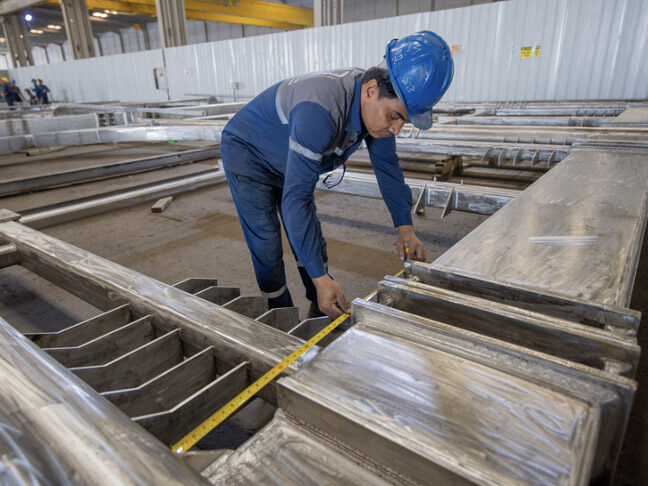
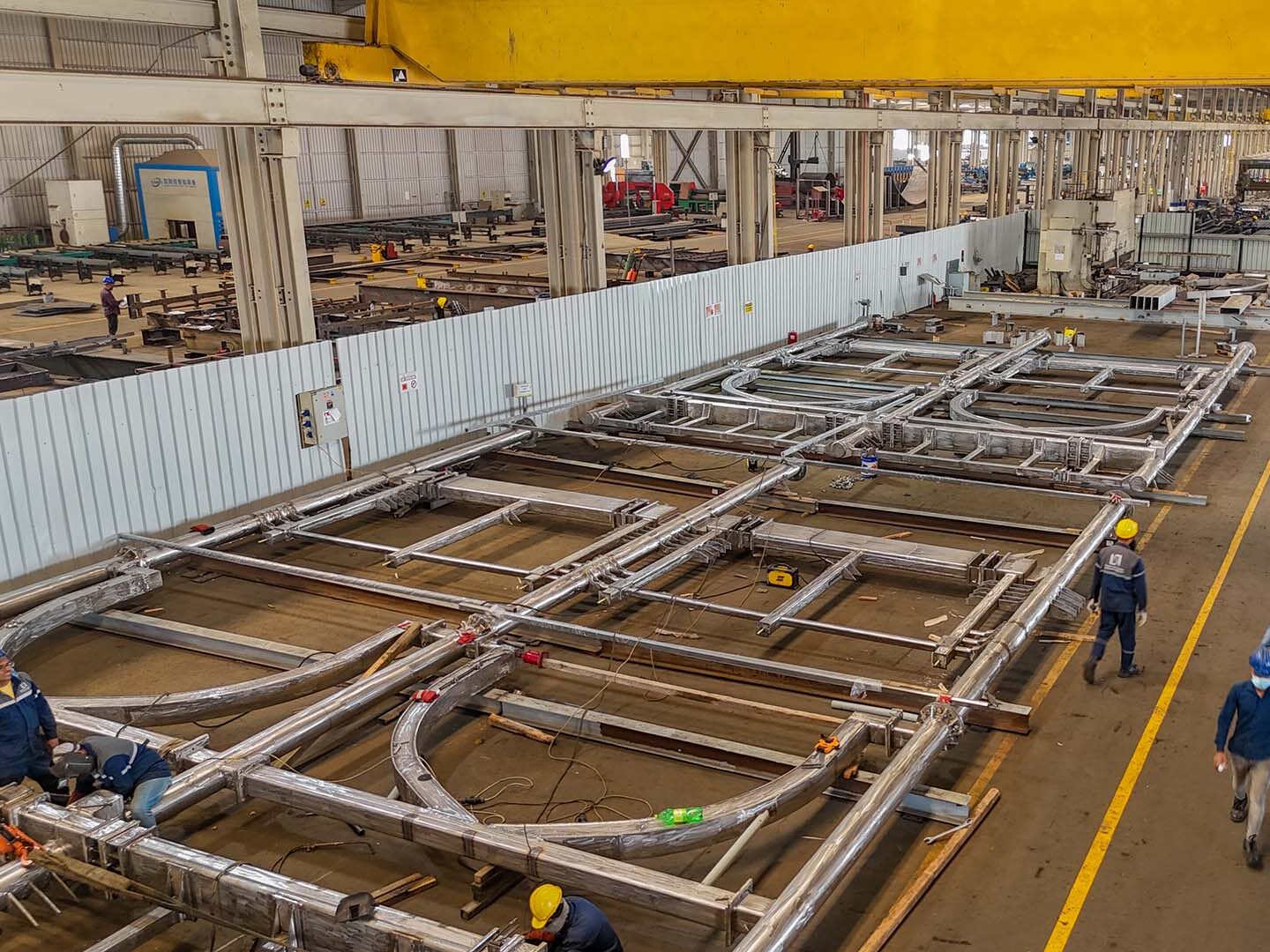
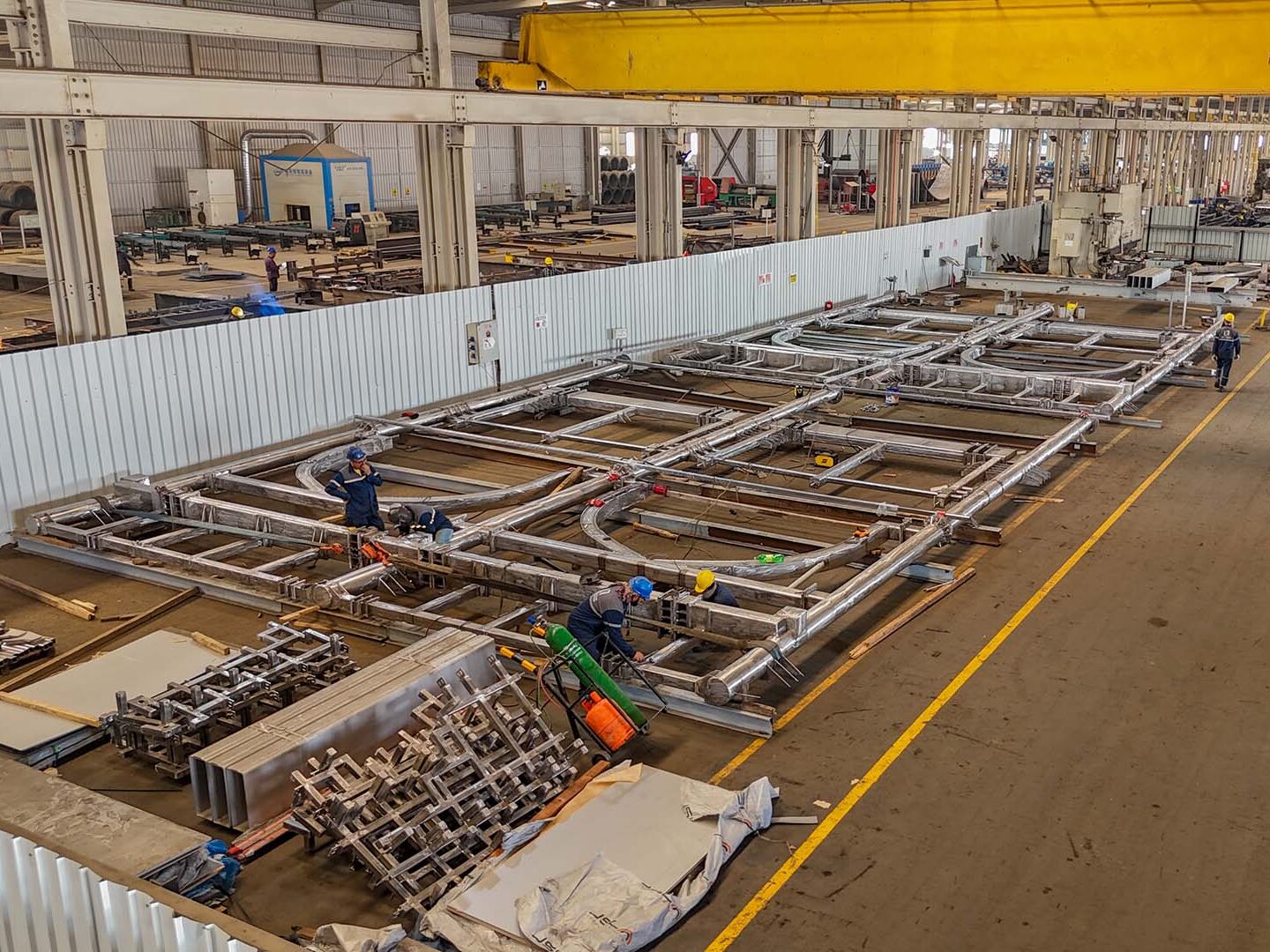
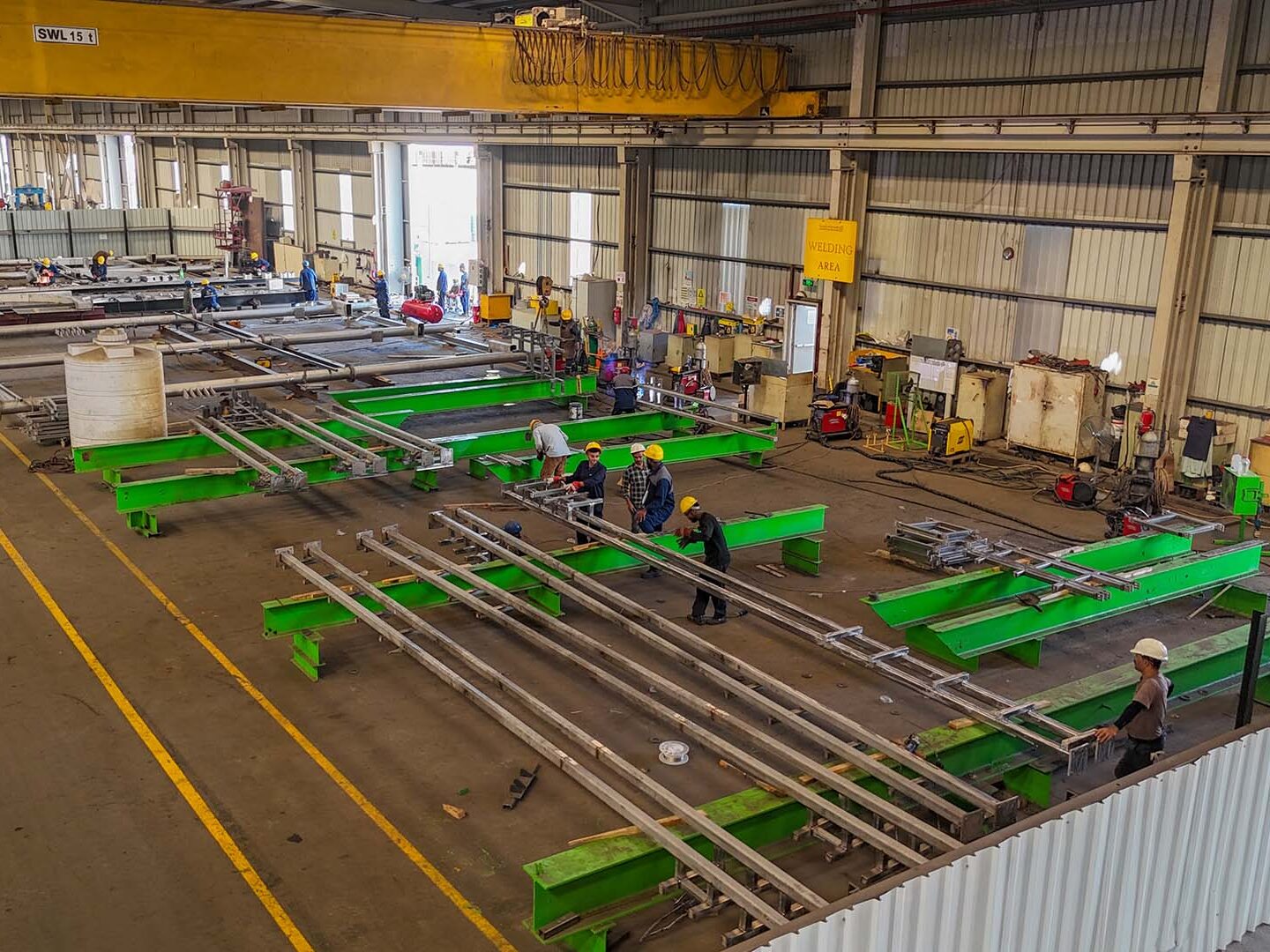
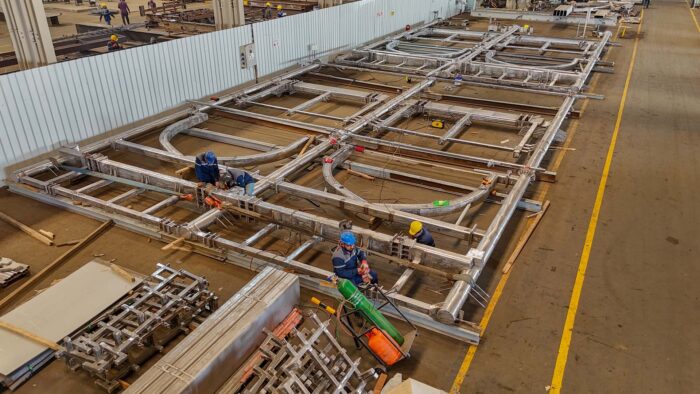
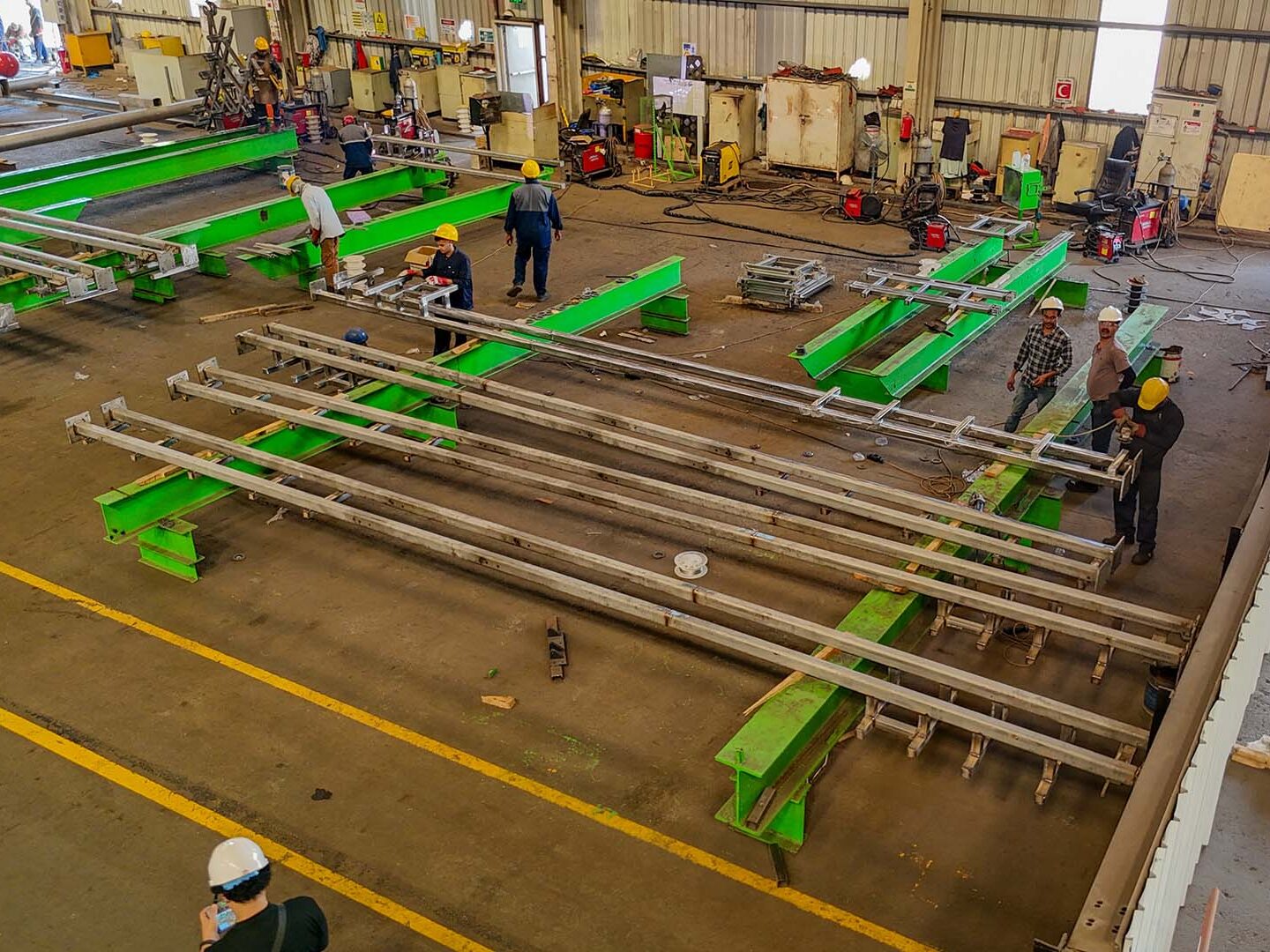
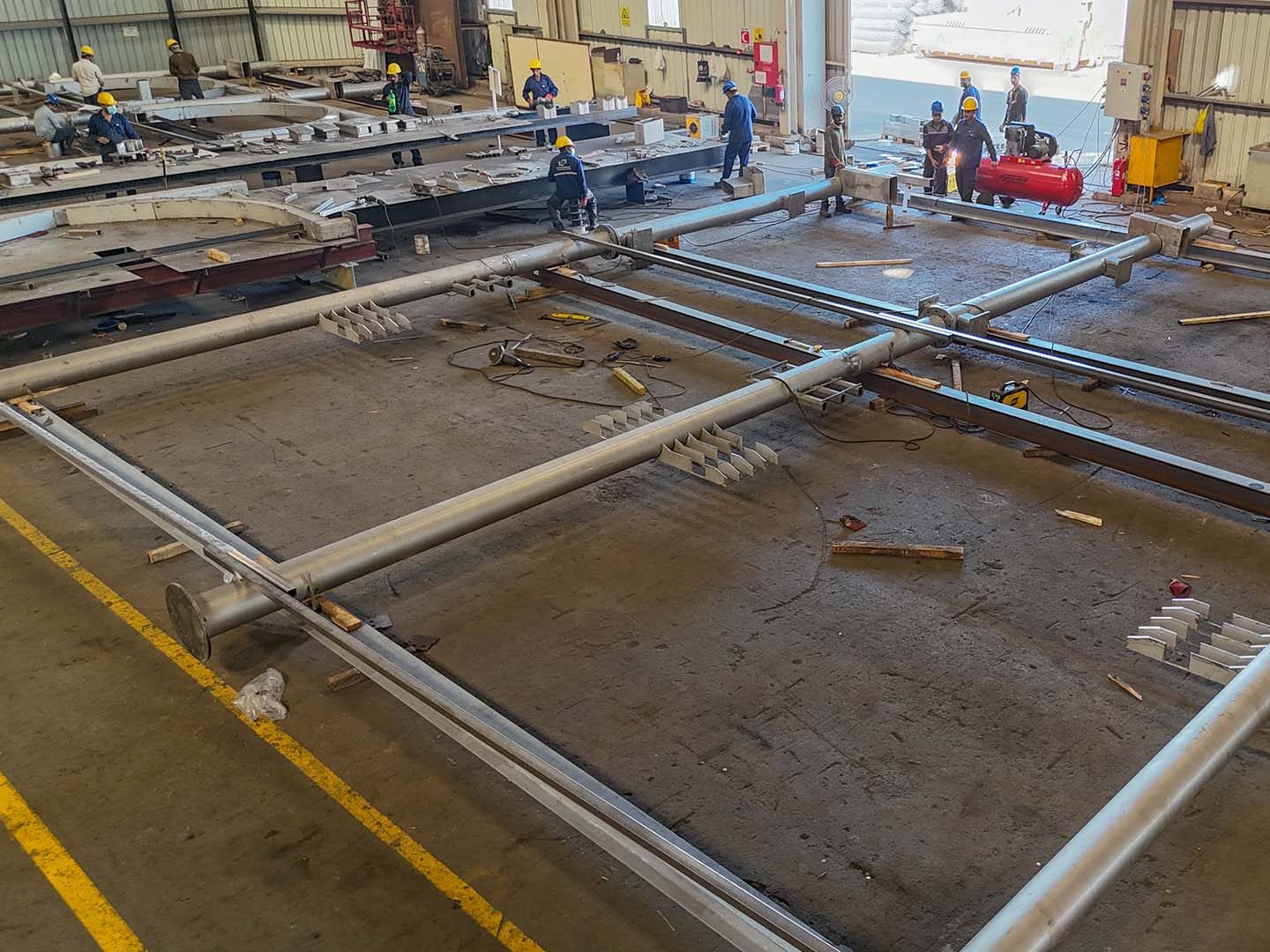
Al Nafie Metal Industries’ involvement in projects of this kind stems from its experience in manufacturing and supplying metal products that meet the precise engineering specifications required by major government projects, especially those located in religiously sensitive sites such as the Grand Mosque. For those interested in learning more about this involvement, Mataf Al-Haram al-Makki project is featured among the company’s completed works.
Key aspects of the contribution include:
- Engineering and industrial contributions: providing metal solutions tailored to the requirements of each stage of the project.
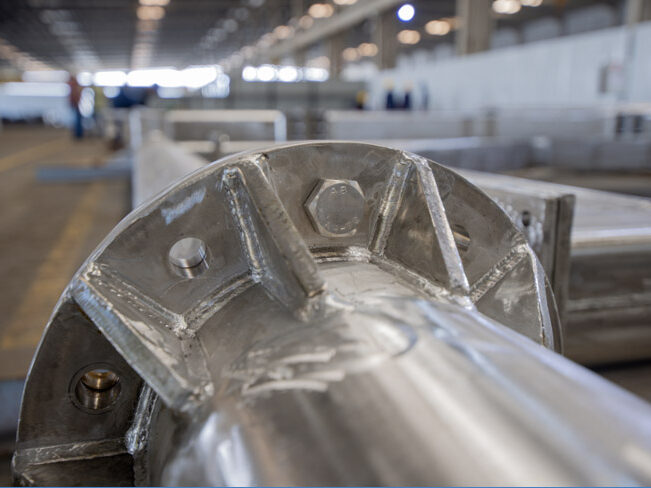
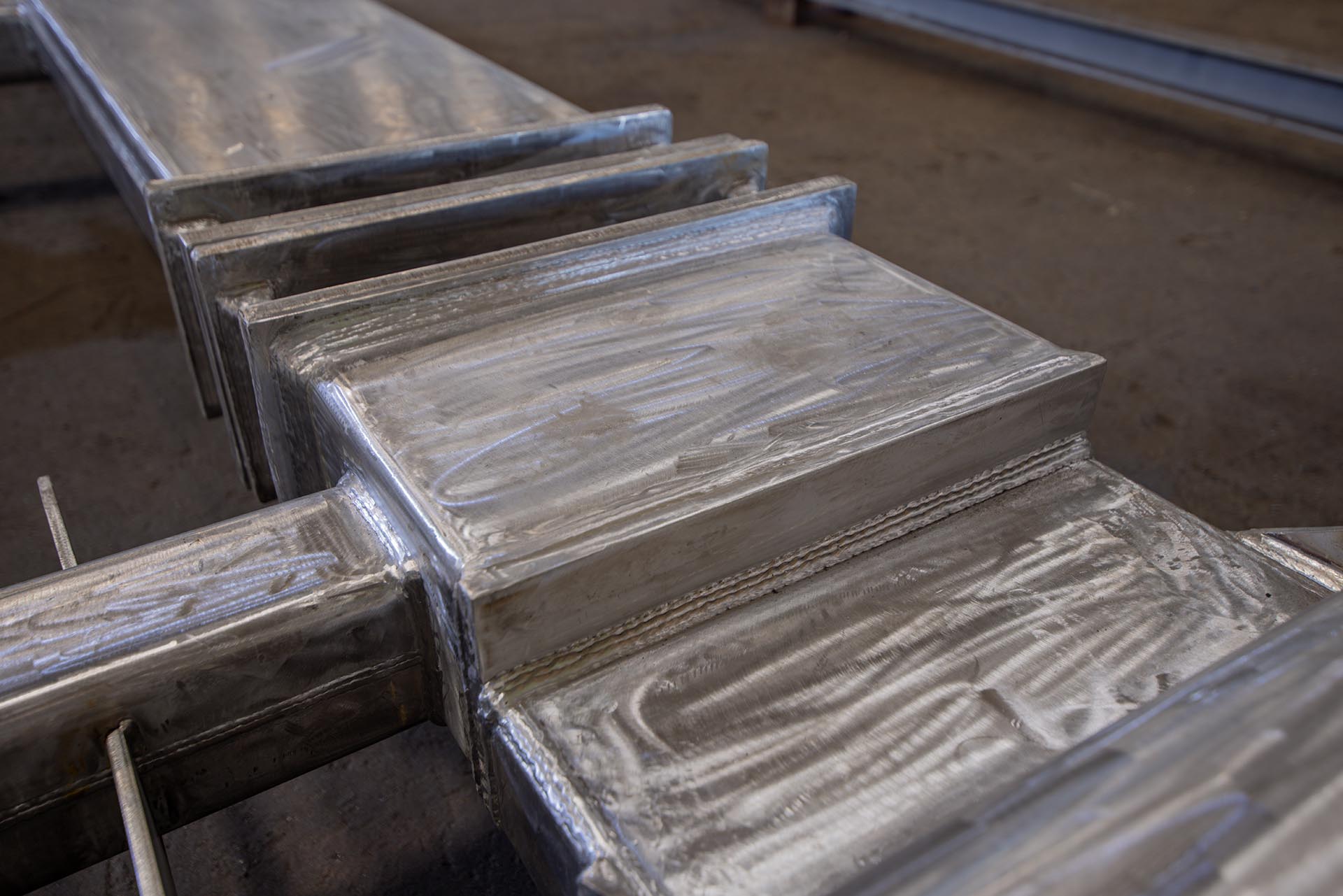
- Implementing metal solutions to the highest quality standards: adherence to approved quality and safety standards, backed by certified quality standards applicable to major infrastructure projects in the Kingdom.
- Compliance with engineering specifications: matching the work with the technical requirements of major government projects, ensuring integration with the rest of the project’s elements.
This type of contribution reflects the role played by specialized national metal-industry companies in supporting strategic projects that serve the Two Holy Mosques and their guests.
Engineering Challenges in Expanding Mataf Al-Haram al-Makki
Carrying out any construction work around the Holy Kaaba faces challenges entirely different from those of a typical construction project, most notably:
- Maintaining smooth movement: work must continue without stopping or hindering the movement of worshippers, since the Mataf receives worshippers almost around the clock.
- Working within a sensitive religious site: any construction intervention must respect the sanctity and spiritual nature of the place.
- Safety and quality requirements: materials and techniques used must meet the highest safety standards, given that the site receives millions of people every year.
- Use of modern technologies: relying on advanced execution methods that reduce completion time while maintaining work quality.
These challenges mean that any party involved in these projects, whether a main contractor or a company specialized in metal industries, needs an extremely high level of precision and expertise.
How Did the Mataf Expansion Serve the Guests of the Most Merciful?
The ultimate goal of all expansion projects is to serve the guests of the Most Merciful and make it easier for them to perform the rituals, and this has clearly been reflected in several aspects:
- Increased capacity: larger numbers can comfortably perform Tawaf at the same time.
- Reduced crowding: especially during peak times such as after Fajr prayer or during the Hajj and Umrah seasons.
- Improved pilgrim and Umrah performer experience: in terms of physical and psychological comfort while performing Tawaf.
- Enhanced services: such as dedicated pathways for people with special needs, guidance systems, and Zamzam water distribution points.
All these aspects together reflect the scale of the state’s attention to serving the Two Holy Mosques and their guests.
Notable Engineering Projects Linked to Masjid al-Haram
Alongside the Mataf Courtyard expansion, several other engineering projects are linked and integrated with the development of the Grand Mosque:
- Mataf Courtyard expansion: the main project this article focuses on.
- Pathway development: improving entry and exit routes and movement between different levels.
- Bridges: bridges and elevated walkways that connect different areas of the mosque and better distribute movement.
- Metal systems: structures and metal finishes used in multiple structural and architectural elements within the project.
- Infrastructure projects: from cooling and ventilation systems to drainage networks, lighting, and safety systems.
All these projects work together as one integrated system, with the ultimate goal of delivering a better worship experience for everyone who visits the House of God. Those interested in exploring similar examples can browse our projects in the infrastructure and major government projects sector.
Get in Touch With Al Nafie Metal Industries
Metal industries are an essential part of any major construction project in the Kingdom, requiring high expertise and precision, especially when the project is as large and sensitive as those of the Two Holy Mosques. Al Nafie Metal Industries is a specialized Saudi company with experience in providing engineering metal solutions for major projects across the Kingdom, and it adheres to the highest standards of quality and compliance with approved technical specifications. You can learn more about the company’s journey on the about us page.
If you’re looking for a trusted partner in the metal industries field for your next project, contact us to learn more about our services and expertise in this field.
recent projects
Crafting the high quality products you can trust, Serving you better since 1979!
