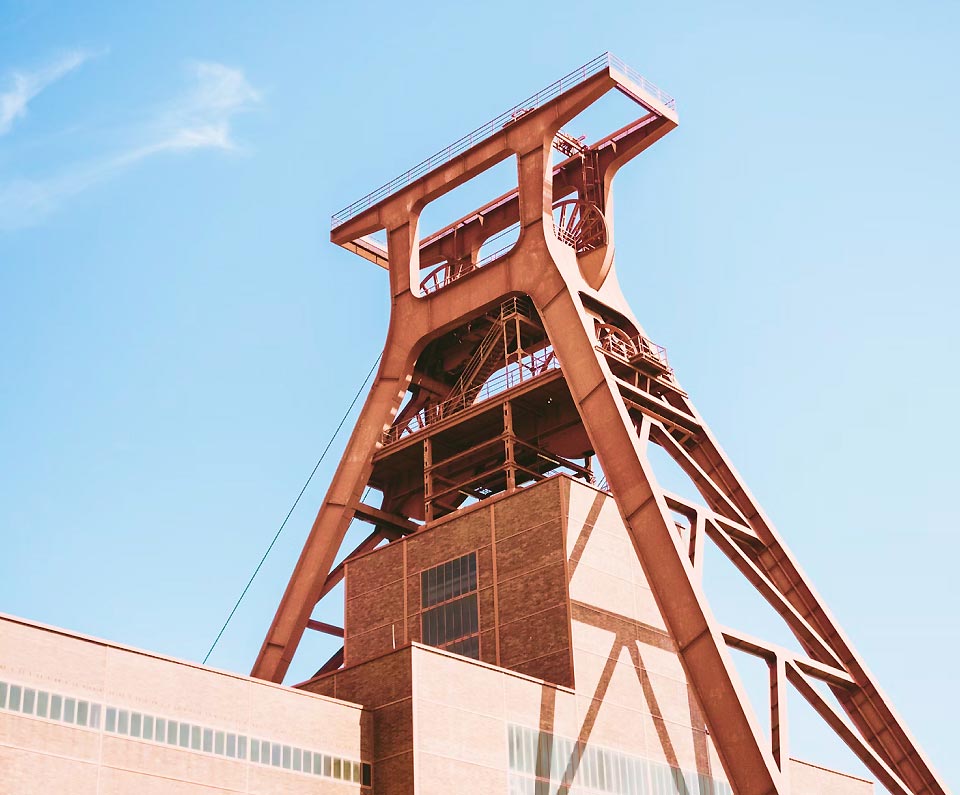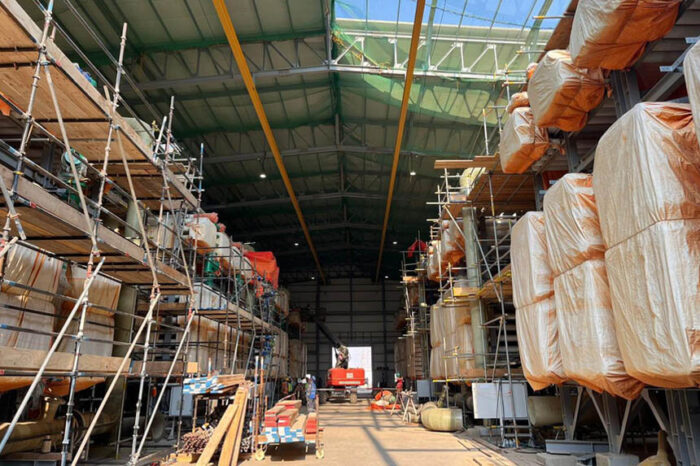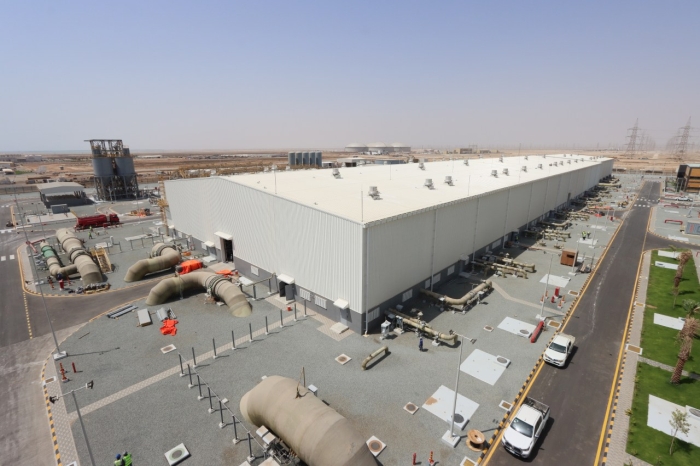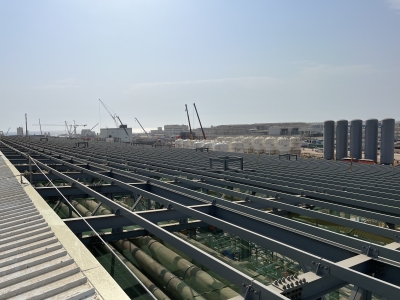
Saudi Arabia projects make up the largest construction program in the region today, and every one of them needs steel, fabrication and erection before it needs anything else. A metro needs stations, an airport needs terminals and a power plant needs structures and tanks. The question that matters to a factory owner or a contractor is simple: where do I fit in all of this?
This guide maps Saudi Arabia projects by region and by sector, shows what each type asks of manufacturers, and explains how a local factory or contractor qualifies to take part. It is written from the working experience of Alnafie, which has served the Kingdom’s industrial and construction sectors for 33 years and has taken part in Saudi Arabia projects in more than one region.
What Are the Major Saudi Arabia Projects and Why Do They Matter to Local Manufacturers?
The major Saudi Arabia projects are the programs the state is carrying out under Vision 2030 to diversify the economy and develop cities and services. They are often called giga projects, and they cover transport, housing, energy, water, tourism, sport and industry across every region of the Kingdom.
Vision 2030 is not one plan. It is a set of programs, each with its own projects and budget. The ones that affect factories most directly are the national industrial development and logistics program and the national industrial strategy, which aim to raise the number of factories and the volume of local production.
One of the Vision’s goals is a higher share of local content in procurement. That means Vision 2030 projects are not only an opportunity for the largest firms. They are designed so that Saudi manufacturers and contractors take part. Saudi Arabia projects of this size need steel fabrication in the thousands of tons, and imports alone cannot cover that demand.
What makes this cycle of Saudi Arabia projects different from earlier booms is that the work is spread over many years and many sectors at once. A factory that enters today builds on continuing demand, not on a single contract that ends.
So whenever you read news about new Saudi Arabia projects, ask yourself: what are the metal packages in it, and who will fabricate them? You can follow the official list on the Vision 2030 projects website.
A Map of Saudi Arabia Projects by Region
Saudi Arabia projects are not spread evenly, and each region leans toward one kind of work. Knowing how Saudi Arabia projects are spread helps you decide where to focus your sales, crews and stock.
Riyadh Projects
Riyadh projects are the largest group among Saudi Arabia projects by number and size. They include metro and public transport projects, airport expansions, sports and entertainment cities, major parks and new housing districts.
What they ask of factories: steel structure packages for stations and halls, pedestrian bridges, canopies and architectural metalwork. That is why most construction companies in Saudi Arabia working in the capital look for a factory that supplies large quantities on a fixed schedule. This part of Saudi Arabia projects moves fast, and a supplier who delivers late drops off the vendor list.
Demand from Saudi projects in Riyadh is not all large structures. There is plenty of small, repeated work: handrails, stairs, covers and panel supports. A factory with fast cutting and bending takes a steady share of it all year.
Jeddah, Makkah and Madinah Projects
Jeddah projects are construction projects that combine waterfronts, the airport, the port and the redevelopment of the city center. Makkah and Madinah projects are tied to serving pilgrims: expansions, hotels, railway stations and parking structures.
The metalwork here involves heavy structures, domes, decorated beams and work that needs high finishing accuracy. A factory based in Jeddah has an advantage, because transport to Saudi projects in the western region is shorter and cheaper.
Seasons matter for Saudi Arabia projects in the two holy cities. Work in the central areas of Makkah and Madinah stops or slows during Hajj and Ramadan, so deliveries must be scheduled well ahead. A supplier who understands this timing earns the contractor’s trust from the first contract.
Eastern Province Projects
Projects in the Eastern Province lean toward energy and industrial construction: process plants, power plants, ports and large industrial cities. They are among the oldest industrial Saudi projects and the most specialized. Dammam and the cities around it also have housing, roads and logistics zones.
What they ask for: storage tanks, pressure vessels, pipelines and structures that carry heavy equipment. This class of Saudi Arabia projects only accepts factories with documented pressure and welding approvals and a clean safety record.
Humidity and salinity on the east coast call for higher painting and galvanizing specifications than other regions. A factory with in-house sandblasting and a paint line, as Alnafie Metal Industries has, saves the contractor a whole step and an extra supplier.
Tabuk, Abha and the Other Regions
Projects in Tabuk are tied to new cities and coastal tourism, and those in Abha to mountain tourism and the upgrade of airports and roads. Every region also has power and water networks that expand year after year.
What they ask for: electricity towers, marine jetties, resort structures and water tanks. These remote Saudi Arabia projects need a factory that prepares, numbers and ships the parts correctly the first time, because any shortage stops the site for days.
Transport is a large part of the price on remote Saudi projects. Assembling parts in the factory to the largest size the road allows reduces the number of shipments, and cuts welding on a site with few workers and little equipment.
The takeaway from the map: Saudi projects are spread across every region and the type of work varies, but demand for fabricated steel is present in each one.
Saudi Arabia Projects by Sector: Where Does the Steel Go?
If we sort Saudi Arabia projects by sector instead of region, we get a table that shows what each sector asks of the factory:
| Sector | General examples | What it asks of the factory |
|---|---|---|
| Transport and infrastructure projects | Metro projects, railways, airports, roads and bridges | Station and hall structures, steel bridges, barriers, canopies |
| Energy | Power plants, renewable energy, solar power, green hydrogen | Power plant structures, panel mounting frames, tanks, pressure vessels, transmission towers |
| Water | Desalination, water storage, networks | Structures for desalination plants, tanks, pipelines |
| Industry | Industrial cities, new factories, building material plants | Structures for a cement plant and other plants, silos, stacks, industrial equipment |
| Sport and entertainment | World Cup 2034 projects, stadiums, entertainment cities | Stand and roof structures, long-span girders, architectural work |
| Housing | Housing projects and new districts | Rebar, service building structures, fencing |
| Logistics | Logistics zones, warehouses, ports | A pre engineered building for storage, such as this steel structure warehouse, and overhead cranes |
What the sectors of Saudi Arabia projects share is that fabricated steel is a core item in each of them. Nearly every new government project falls into one of these sectors.
With the World Cup 2034, demand will grow for stadium structures and for the infrastructure projects around them. Renewable energy alone opens a new line of demand for mounting frames and light structures.
If you supply only one sector of Saudi Arabia projects today, the wider pipeline gives you a way into a second one with the same production lines. A factory that builds structures for a power plant can build them for a railway station. The difference is in the specifications, not the machines.
Across Saudi projects, three things change from one sector to the next: the loads the structure carries, the fire resistance required and the level of corrosion protection. A plant on the coast is not a warehouse in the city, and a stadium with a suspended roof is not a residential block. Read each sector’s specifications and the Saudi Building Code requirements before you price, because the difference shows up in painting and inspection costs more than in the cost of the steel itself.
An investor who wants to build a new steel factory to serve Saudi Arabia projects starts with an industrial license and a plot in one of the industrial cities, then picks the sector to serve.
Where Do Local Manufacturers and Contractors Enter Saudi Arabia Projects?
The state is the owner of most Saudi Arabia projects, through its ministries and authorities. The owner does not usually contract with the factory directly. There is a contracting chain, and you need to know your place in it:
- The owner: The government body that owns the project. It sets the specifications and approves the vendor list.
- The main contractor: Takes the whole job, design, supply and execution, as an EPC contractor on turnkey projects. It is usually one of the top construction companies in Saudi Arabia.
- The subcontractor: Takes a defined package such as metalwork or mechanical work. This is where a mid-size general contracting firm or a specialist EPC company comes in.
- The factory and supplier: Fabricates the structures, tanks and parts and supplies them, and sometimes erects them.
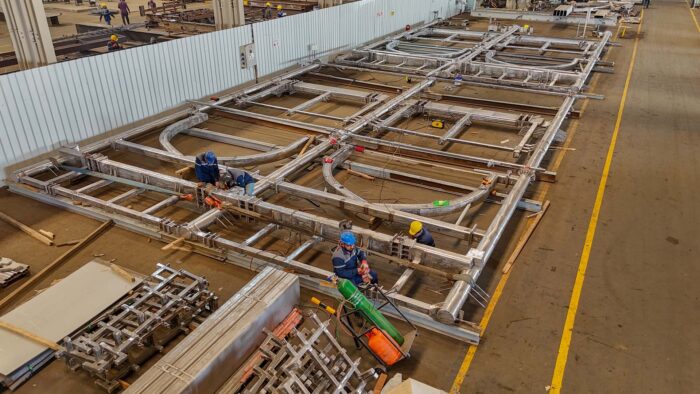
The local factory enters through the third and fourth doors. The larger Saudi Arabia projects become, the larger the subcontract packages, and the more suppliers the main contractor needs. The packages a factory usually takes are steel structure fabrication and erection, tanks and pressure vessels, miscellaneous metalwork, and fencing and barriers. The full Alnafie list is on the products page.
The local contractor, whether a building contractor, one of the construction companies in Jeddah or one of the smaller contracting companies in Jeddah, wins by allying with a factory close by. The contractor brings the contract, and the factory guarantees supply and fabrication and forming services on time. This partnership is what lets mid-size contracting companies in Saudi Arabia take a share of Saudi projects instead of leaving it all to the largest firms.
A main contractor on Saudi Arabia projects asks four things of a supplier before price: shop drawings delivered on time, a clear week-by-week fabrication plan, a weekly progress report and a quality representative who attends inspection. A factory that prepares these from the first meeting is treated as a partner, not a parts supplier.
Most contracts in Saudi Arabia projects now require a share of local supply, which means the door is open to a mid-size factory that is ready. If your project is already defined and you want to know what metal it needs at each stage, the engineering projects guide explains it in detail.
Qualification Requirements for Working on Saudi Arabia Projects
A good factory is not enough. You have to prove it with documents the owner and the main contractor accept. These are the main requirements, and each contract in Saudi Arabia projects asks for the ones that fit the type of work:
- Quality and safety certificates: ISO 9001 for quality management, ISO 14001 for environmental management and ISO 45001 for occupational health and safety.
- Pressure and welding approvals: ASME authorization for fabricating and assembling piping, NBIC R approval for repairs and alterations, and the NB certificate for pressure vessels.
- Local content: The local content authority regulates the preference given to national products in government procurement, and the Saudi Made mark shows that a product is manufactured inside the Kingdom. This gives Saudi factories an advantage in government-funded Saudi projects.
- Contractor classification: A contractor who wants government contracts directly needs a classification grade that fits the size of the project.
- Registration for government tenders: Government bodies publish their contracts electronically, and following new tenders every week is part of the sales job.
Alnafie holds the three ISO certificates and the ASME, NBIC R and NB approvals, and you can view copies on the certificates page. Asking a supplier for ISO certification is the first filter most buyers apply.
A certificate alone is not enough when Saudi projects reach handover. Every shipment must come with a file that includes mill certificates for the material, weld inspection reports and paint thickness readings. If the file is incomplete, approval of the work is delayed and so is the payment certificate.
A piece of advice from experience: do not wait until the tender you want is published. Prepare your qualification file and register with the main contractors now, because qualification takes months and tenders wait for no one. Check the conditions at their official source, because the requirements for Saudi projects are updated from time to time.
Alnafie’s Experience in Saudi Arabia Projects
Alnafie is a metal industries company based in Jeddah, with more than 500 employees and facilities covering 144,000 square meters. Over three decades it has taken part in Saudi Arabia projects across different regions and sectors:
- Transport and airports: a steel works revamp at an international airport in Riyadh.
- Ports and coasts: a piled marine jetty in the Tabuk region.
- Electricity: electricity towers in Abha.
- Water: a steel structure for the desalination sector in the western region.
- Public buildings: a steel dome for a commercial complex.
The lesson Alnafie took from these Saudi Arabia projects is that the owner looks for three things: a factory that keeps to the schedule, a complete quality file with every shipment, and a team that knows how to deal with the requirements of government bodies.
This variety means the same production lines serve more than one sector of Saudi Arabia projects without stopping. When demand slows in one sector, production moves to another. That is the basis on which Alnafie builds its work for the Saudi Arabia projects ahead.
How to Prepare Your Factory or Company for What Comes Next
Investment in Saudi industry and contracting grows with every new project, and the opportunities in Saudi Arabia projects do not wait for latecomers. Six practical steps to get ready for Saudi Arabia projects:
- Pick two or three sectors that fit your production lines, and do not spread yourself across all of them.
- Prepare a qualification file with certificates, track record and production capacity.
- Register on the vendor lists of main contractors, not only with government bodies.
- Follow tenders and new opportunities every week.
- Build a partnership with a contractor or a factory that complements you instead of going in alone.
- Invest in quality inspection, because a rejection on the first shipment costs you the whole contract.
The second step matters most for anyone chasing Saudi Arabia projects. Most factories have good work they never documented: photos, quantities, execution time and the name of the engineer in charge. That file is what the procurement engineer reads before calling you.
The steel companies in Saudi Arabia and the wider manufacturing companies in Saudi Arabia that work this way will take the largest share of Saudi Arabia projects in the coming years. The whole of Saudi industry benefits when local content rises in every contract, because every riyal spent inside the Kingdom returns as work for another factory.
Need a Factory You Can Rely On for Saudi Projects?
Send your drawings or bill of quantities for Saudi Arabia projects to the Alnafie team and get a quotation for the structures, tanks and metalwork your project needs. Call 920006420 or contact the team through the contact page.
Frequently Asked Questions
What are the largest Saudi Arabia projects right now?
The largest are transport projects such as metro lines, railways and airports, energy and water projects, new tourism and sports cities, and housing projects. The state carries them all out under Vision 2030, and they are spread across every region with the heaviest concentration in Riyadh and the western and eastern regions.
How does a local factory get into major Saudi Arabia projects?
Usually as a supplier or subcontractor to the main contractor. It needs valid quality certificates and technical approvals, a documented track record and registration on approved vendor lists. Qualification takes time, so it is best to start before the tender is published.
What certificates are required to supply Saudi Arabia projects?
The main ones are ISO 9001, ISO 14001 and ISO 45001. For piping and pressure vessels, buyers ask for ASME and NBIC approvals. Along with the certificates, the owner asks for a quality file with every shipment that includes material certificates and inspection reports.
Do Saudi Arabia projects give preference to local products?
Yes. Government procurement gives national products a preference through local content requirements, and many contracts require a share of supply from inside the Kingdom. That gives a Saudi factory an edge when its quality and prices are competitive.
What is Alnafie’s role in Saudi Arabia projects?
Alnafie fabricates, supplies and erects steel structures, tanks, pressure vessels and metalwork for contractors and owners. It has taken part in airport, port, electricity and water works in more than one region, with ISO certificates and ASME and NBIC approvals.
What are the new projects in Saudi Arabia?
The new Saudi projects fall into five groups: transport projects such as metro lines, railways and airports, renewable energy projects, desalination projects, housing projects, and stadiums and sports cities being prepared for the World Cup 2034. The state carries them out through its ministries and authorities, and all of these Saudi projects need steel structures, tanks and metalwork.
What is the latest Saudi Vision 2030 project?
There is no single latest project, because Saudi projects under the Vision are announced in batches through the year. Among the most recent, in September 2026, was the start-up of 13 new renewable energy projects with a capacity of about 10,500 megawatts. Before that, in January 2026, a new extension to the capital’s metro network was announced. The updated list of Saudi Arabia projects is on the official Saudi Vision 2030 website, vision2030.gov.sa.
What are the main Vision 2030 projects?
The main Vision 2030 projects are the new cities and tourism destinations, metro and railway networks, airport and port expansions, solar and wind power plants, desalination plants, housing communities, and industrial cities and logistics zones. These Saudi Arabia projects are spread across every region of the Kingdom, with the heaviest concentration in Riyadh and the western and eastern regions.
What is the most profitable project in Saudi Arabia?
There is no official published ranking of profits for the Saudi giga projects, because most of them are measured by their return to the economy, not by direct profit. If you want a giga project that is operating on the ground with a clear return, it is the Riyadh Metro: it passed 200 million passengers according to a March 2026 announcement, with service availability above 99.8%, and its extension began in January 2026. For a local factory it is a live example of what Saudi Arabia projects need, since every station is a steel structure with canopies and metalwork.
What are the best projects in Saudi Arabia for 2026?
For a factory or contractor, the best Saudi Arabia projects in 2026 are the ones with continuing demand and contracts that renew: renewable energy projects that need panel mounting frames, metro and airport expansions, housing projects, and the stadiums for the World Cup 2034. Among Saudi Arabia projects, the best one for you is the sector that fits your production lines and certificates, not the sector that is largest in the news.
What projects are expected in Jeddah in 2026?
Jeddah projects expected to continue through 2026 are the redevelopment of the city center and waterfront, the airport and port expansions, new roads and bridges, residential and commercial developments, and sports facilities. As with other Saudi Arabia projects, opening dates are announced by the government bodies themselves, so confirm them at the official source before you build a supply plan on them.
Who came up with Saudi Vision 2030?
Saudi Vision 2030 was the idea of His Royal Highness Crown Prince Mohammed bin Salman. It was announced on 25 April 2016 after approval by the Council of Ministers, chaired by the Custodian of the Two Holy Mosques King Salman bin Abdulaziz. It is the framework under which the state carries out the major Saudi Arabia projects.
about
Alnafie Metal Industries
AlNafie Metal Industries is a leading private company with 33 years of experience in Saudi Arabia’s development. Specializing in steel construction and tank rehabilitation, NMI provides full steel fabrication and erection services for major EPC projects, including power, gas, petrochemical, industrial, and commercial sectors.